
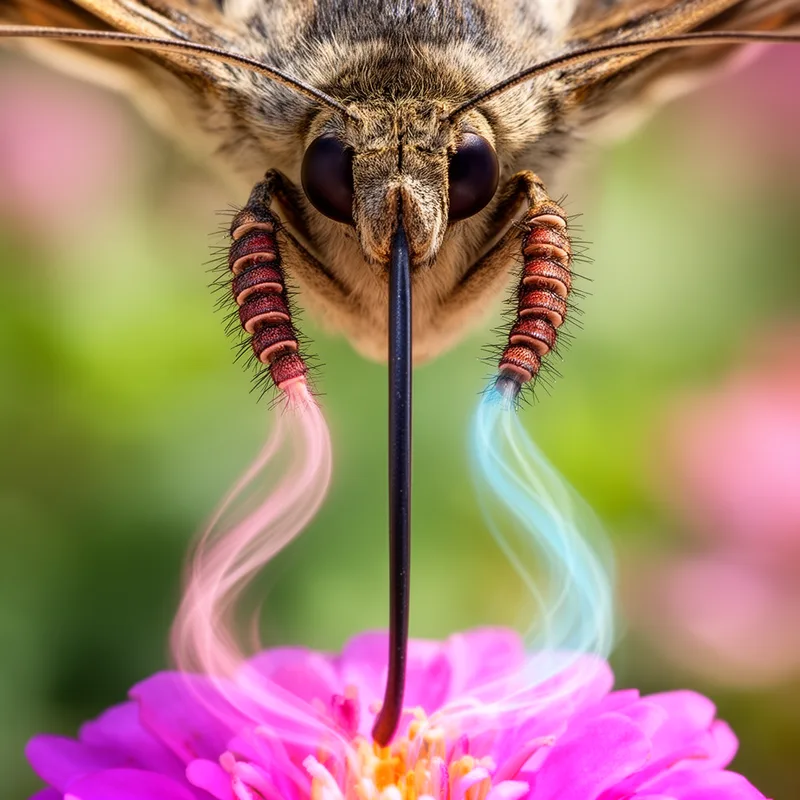
maxillary palpus
- noun
- /ˈmæksɪˌlɛri ˈpælpəs/
- Specialized
- Damage to the maxillary palpus can affect an insect's ability to detect environmental cues.
Examples
-
Insects use their maxillary palpi for tasting food.
-
The scientist examined the maxillary palpus under a microscope to study its structure.
-
Certain butterflies use their maxillary palpi to sense food sources nearby.
-
The maxillary palpus helps insects sense their environment.
-
Certain butterflies use their maxillary palpus to sense food sources nearby.
-
The scientist examined the maxillary palpus under a microscope to study its structure.
-
Damage to the maxillary palpus can affect an insect's ability to detect environmental cues.
Synonyms

 1
9.9
1
9.9

A small sensitive part near the mouth of insects used for touching and tasting
A small feeler near the mouth that insects and similar animals use to taste or touch
Surface Forms
Morphology
The meaning is directly compositional: 'maxillary' (of the upper jaw/maxilla) modifies 'palpus' (a mouth appendage), so the phrase denotes an appendage located on the maxilla with a sensory role. Although the term is technical, a B1 learner who knows both constituents can infer its location and basic function, so the construction is transparent.
Etymology
The term maxillary palpus literally names a small feeler by the jaw: maxillary means 'of the jaw' and palpus means 'feeler'. That's why it now means the small, jointed feeler insects use to 'sense' food and the world around them.