
marl
 1
9.9
1
9.9

- noun
- /mɑrl/
- Specialized
- Among them are mangrove swamps, cypress domes, pinelands, marl and coastal prairies, mahogany hammocks, and intertidal zones.
- layer of marl
- lime-rich marls
- marl-rich
Examples
-
Through extensive experimentation over the past three decades, the ceramicist Magdalene Odundo has perfected the use of a marl-rich terra sigillata to create her ceramics.
Academic text (2009) -
The clay of the banks, the yellow marl, had dirty red and loose-edged brown stripes and ovals in it.
Fiction book (1991) -
Crossing the flats, I saw a keel track in the marl.
Fiction book (1990) -
A few years before, as Mr. Wedgwood pointed out, several fields had been covered with lime or burnt marl and cinders.
Academic text (1999) -
The soil, the residue from a vanished lake, was made up of marls—deposits of clay with high levels of calcium carbonate.
Academic text (2006) -
Before the Civil War, slaves hauled muck from the river—the marl of which the crest was made—to spread on the fields.
Fiction book (1996) -
A gently sloping zone that reaches from Long Island to Florida, the Atlantic coastal plain consists of sands, clays, and marls that were laid down over a very long period of time, from 140 million to 2 million years ago, as the ocean shoreline shifted back and forth.
Academic text (1995) -
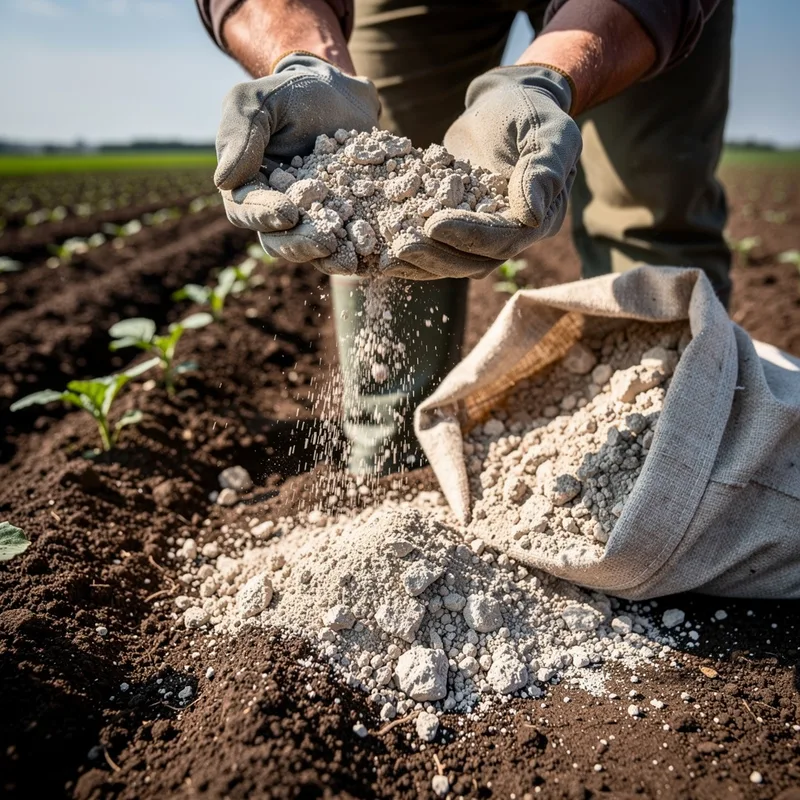
The farmer added marl to the fields to improve the soil quality.
-
To enhance the garden's fertility, she decided to incorporate marl into the soil.
-
Landscapers often use marl to provide essential nutrients for healthy plant growth.
Synonyms
Soft, crumbly rock that farmers use to improve soil
Surface Forms
Etymology
Marl comes from an old word for 'earth' or 'clay' and is like the German Mergel, which also means a lime-rich soil. Think of marble, which also has calcium, and that helps: marl today is a crumbly, calcium-rich earth people add to fields to improve the soil.