
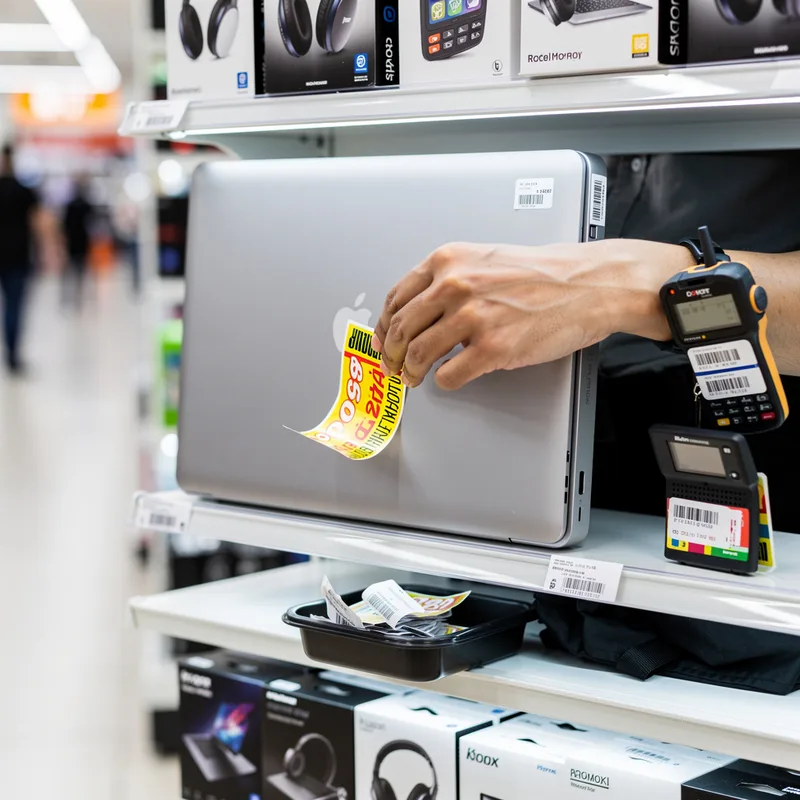
to mark up
 5
3.5
5
3.5

- phrasal verb
- /mɑrk ʌp/
- Produce is often marked up as much as 75%.
Loading YouTube…
Watch on YouTubeBut as demand gets more inelastic, the monopolist gains power to mark up the price and make money.
- But as demand gets more inelastic, the monopolist gains power to mark up the price and make money.
- Like they, my publisher usually can like mark up, like the buy button, all the other books they sell and, and mine violated the commerce policy.
Examples
-
The newspapers found that hospitals are routinely marking up prices on cancer drugs by two to ten times over cost.
Blog text (30) -
I buy it, mark it up, and sell it.
Fiction book (1991) -
We turn around and mark 'em up 30, 40%.
-
Once you establish this bottom line pricing, mark it up by 20%, and that becomes your rate.
Blog text (13) -
Some salad bar items are marked up more than 350 percent, according to Food Network Magazine.
Blog text (8) -
But as demand gets more inelastic, the monopolist gains power to mark up the price and make money.
-
Remember that self-employment taxes need to be considered, so maybe mark up your reserve price by 30-40%.
Blog text (13) -
Order by the glass, and you're sipping on an item marked up as much as 400 percent.
Blog text (8) -
Sell it everywhere, mark up in industrialized countries to help subsidize the poorer ones.
Blog text (21) -
The retailer decided to mark up the shoes by 20% to increase profit margins.
Synonyms
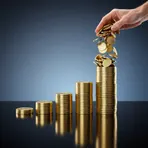 30
4.4
30
4.4
To make the amount or price of something increase


 1
4.8
1
4.8
To raise prices by a large amount, often suddenly
Antonyms

How Expensive

Surface Forms
Morphology
The particle 'up' clearly contributes the sense of raising/increasing, so part of the meaning is predictable; however the given lemma 'mark' (to label or identify) does not directly encode the commercial sense of setting a price, so the full sense 'increase the price' is not strictly derivable without exposure. This partial predictability (particle signals increase but head verb requires a specialized price-setting sense) makes the item only partially transparent to a B1 learner.
Etymology
The phrasal verb mark up likely comes from shopkeepers who wrote a new, higher price on an item's tag or label — they literally mark the price up. So, mark up means to 'increase the price', usually so the seller can make a profit.