
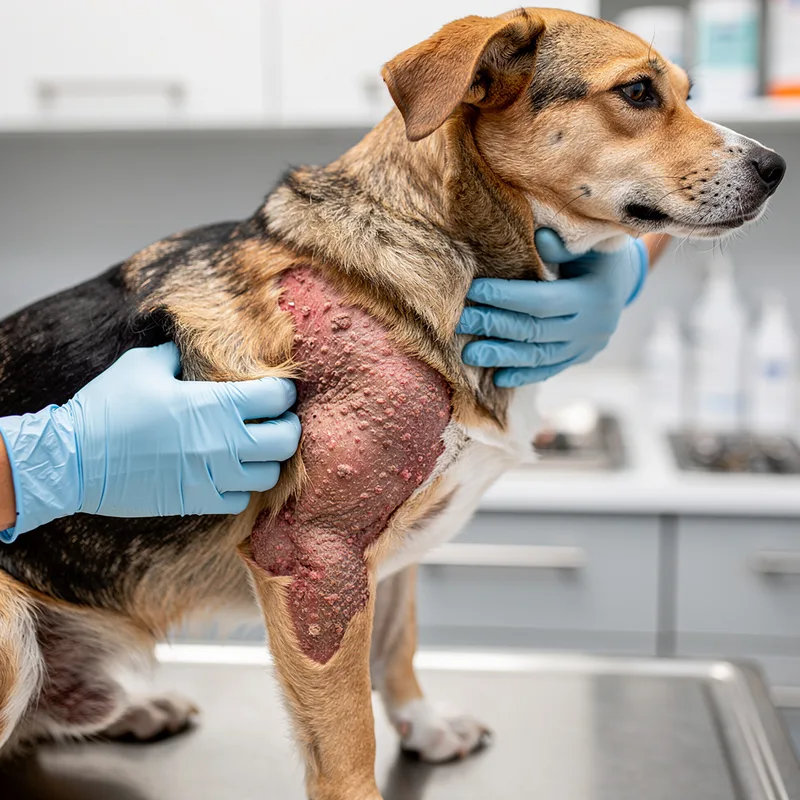
mange
 3
9.1
3
9.1

- noun
- /meɪndʒ/
- The puppies are being treated for conditions such as mange, earmites, fleas, eye infections, and parasitic infections.
- mange mites
Loading YouTube…
Watch on YouTubeA little bit later, the one woman relates a story about him curing a cat of the mange.
- A little bit later, the one woman relates a story about him curing a cat of the mange.
- I said I caught mange on the subway by breathing with my mask off.
- I did catch mange, which isn't great, but you know, I am still prove my point.
Examples
-
In Wetumpka, there was a dog pound, and stray dogs were always feared for carrying mange and exotic fevers.
Fiction book (2001) -
She caught the mange in Italy.
-
The dog had a perpetual spot of mange on its flanks, and old motor oil was thought to be a home remedy for the disease.
Fiction book (1996) -
He'd developed a severe case of mange and not only had frequent shaking spells, but he smelled bad.
Fiction book (1995) -
The veterinarian explained that mange is a serious skin condition that can cause dogs to lose their fur and suffer from itching.
-
After rescuing the stray dog, the shelter staff found that it was suffering from mange and needed immediate treatment.
-
Due to the outbreak of mange in the area, many pet owners were advised to regularly check their animals for skin infections.
Antonyms


Compounds
- Specialized
A skin disease in dogs and other animals caused by tiny mites that makes hair fall out and skin red
Surface Forms
Etymology
Mange comes from French, where it named a skin disease of animals. A helpful way to remember it is to imagine tiny mites making an animal scratch and lose fur, so mange means a contagious skin problem with itching and hair loss.