
malic acid


 1
4.8
1
4.8
- noun
- /ˈmælɪk ˈæsɪd/
- Specialized
- Malic acid, citric acid, and succinic acid were the dominant organic acids and took up the largest proportion of the total organic acids (77.8%).
- malic acid and citric
Examples
-
Our results further showed that malic acid and citric acid were the dominant components of the total organic acids after strong alkaline stress. This result is different from other halophytes.
Academic text (2014) -
Fruity and especially sour candies contain citric or malic acid, which are stronger than other sugar acids.
Blog text (11) -
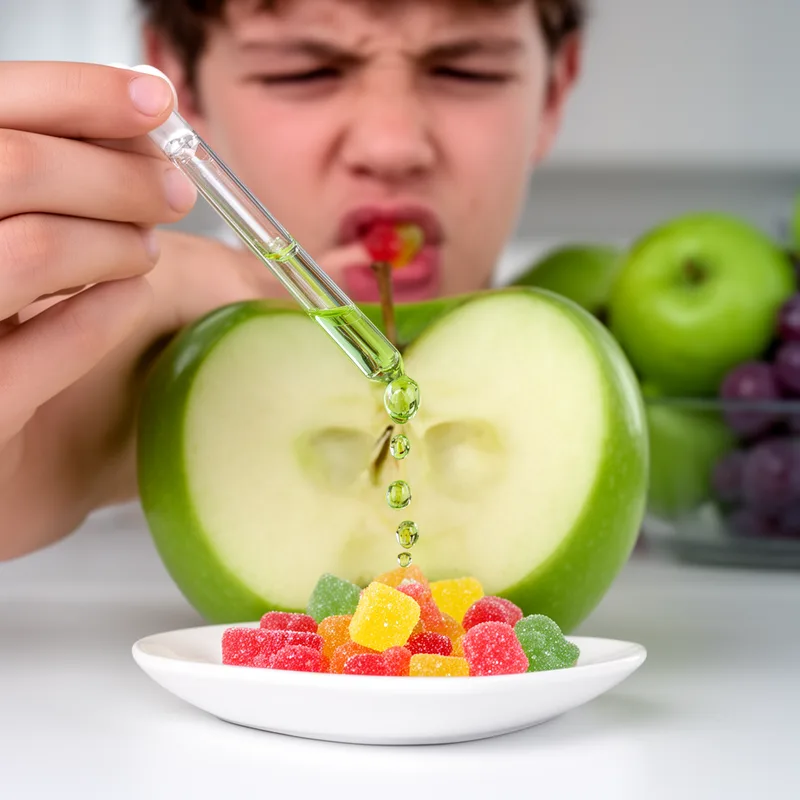
The malic acid in an apple stimulates your metabolism and increases energy production.
Blog text (9) -
And when you add a little bit of malic acid, which is the acid from stone fruits, plums and apples and Peaches.
-
The strong alkaline stress caused malic acid and citric acid to be the dominant components and comprised 64.3% of the total organic acids.
Academic text (2014) -
We have all kinds of vinegar powders that we're using, malic acid powders, lactic acid powders, citric acid powders.
-
The malic acid in an apple stimulates your metabolism and increases energy production.
-
The food industry uses malic acid as an acidulant and flavoring agent in fruit-flavored drinks.
-
Fruity and especially sour candies contain citric or malic acid, which enhance their tartness.
Surface Forms
Morphology
The phrase is a straightforward adjective + noun combination where 'malic' denotes relation to apples (or a specific acid) and 'acid' names the chemical class, so the meaning 'an acid found in apples/used to add sourness' follows directly from the parts. This compositional naming pattern is common cross-linguistically (e.g., Spanish 'ácido málico'), making it inferable to learners who know both constituents.
Etymology
Malic acid gets its name from an old word for 'apple'. The part malic comes from that 'apple' word because the acid was first found in apple juice, and acid shows it tastes sour, so the name helps you remember it is the sour thing in many fruits and foods.