
malathion
 7
8.5
7
8.5

- noun
- /ˌmæl.əˈθaɪ.ɒn/
- Specialized
- Each tube uses about 20 grams of malathion, a registered insecticide.
- malathion insecticide
- malathion spray
- effects of malathion
Examples
-
The dye, says entomologist Roy T. Cunningham at Hilo, might prove a safe, effective alternative to today's malathion insecticide.
Academic text (1996) -
One ARS contribution in the mid-1990s that helped the economic viability of the program was finding that lower doses of malathion, the only insecticide currently used for eradication, are just as effective as higher ones.
Academic text (2003) -
How dangerous is this malathion?
-
The most commonly released substance was malathion.
Academic text (2005) -
Nearly 14 million acres were treated with malathion and carbaryl.
Academic text (1996) -
Phloxine B is also a promising alternative to malathion insecticide.
Academic text (2000) -
When incoming medflies are captured in mainland traps, aerial spraying of malathion insecticide may follow.
Academic text (1996) -
In the present experimental study, gross, histopathological, and different serum biochemical effects of malathion were observed in male Japanese quail.
Academic text (2013) -
A new, environmentally friendly insecticide called spinosad may soon become a widely accepted alternative to the malathion sprays used today for fighting insect pests such as the Mediterranean fruit fly.
Academic text (2000) -
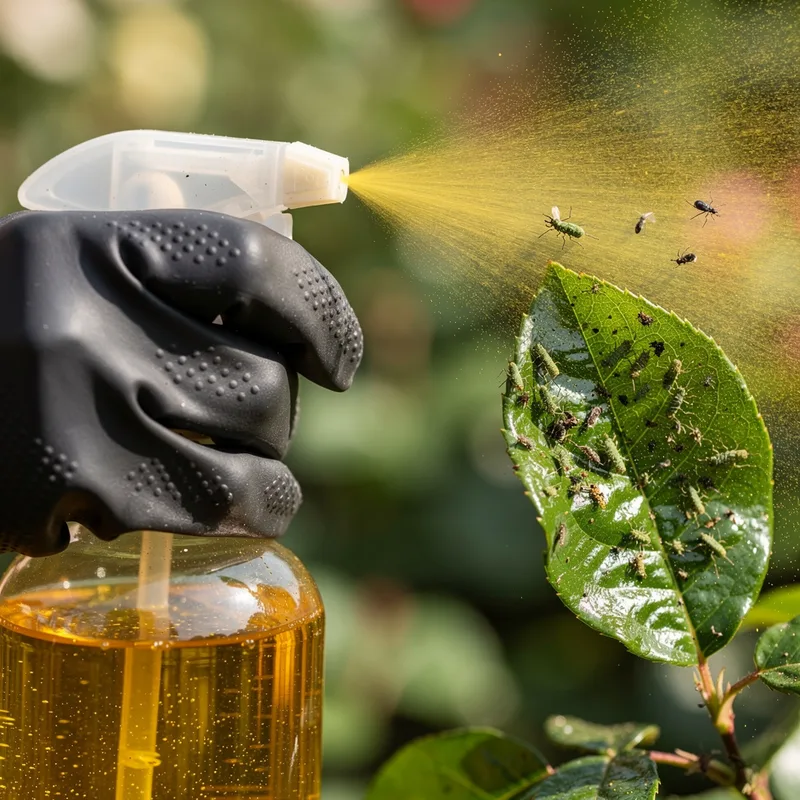
When I tend to my garden, I often use malathion to keep the plants free from pests.
Compounds

- Specialized
Sickness caused by breathing in or swallowing the insect spray malathion that causes nausea and weakness
Surface Forms
Etymology
Malathion is a modern chemical name and a helpful way to remember it is to look at the end, -thion, which is like the chemical prefix thio- meaning 'sulfur'. That's a clue to its chemical make-up and explains why malathion is a man-made insecticide used to kill garden pests and flies.