
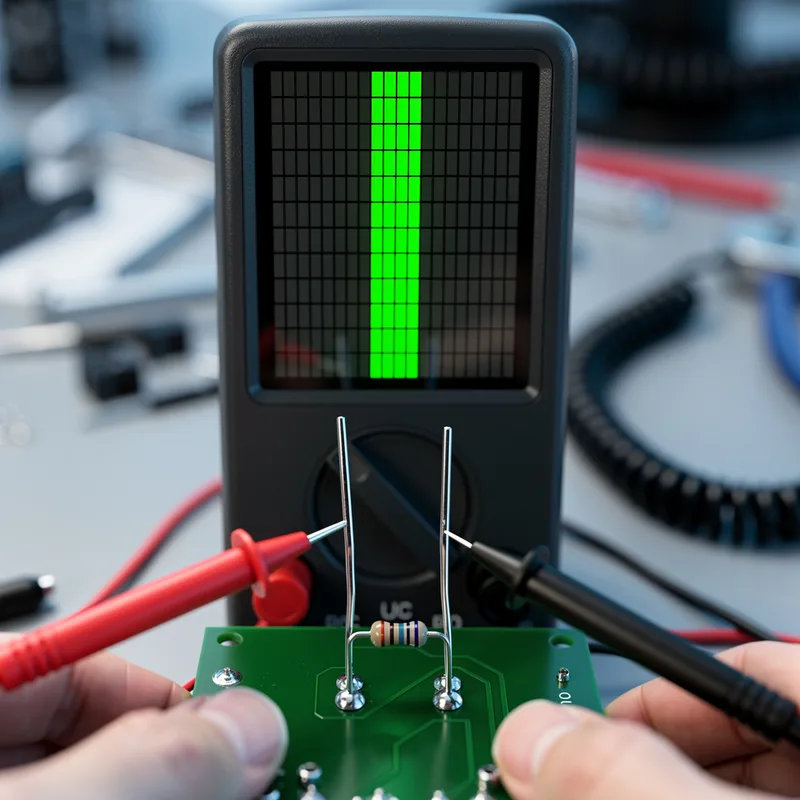
mV
 4
3.9
4
3.9

- noun
- /ˈɛmˌvi/
- Specialized
- Each vertical major division represents 10 mV output from a current probe, which is equivalent to 100 mA.
- mV output
- sensitivity of 10 mV
- 100 mV
Examples
-
The transducer provides a 100-mV full-scale output in a package that is just more than 0.8 in. end to end.
Academic text (1996) -
Standard excitation is 5 V DC, and output is 2 mV/V for high ranges.
Academic text (2001) -
In figure 5, it takes 30 mV to increase the dot occupancy from two to three electrons.
Academic text (1994) -
In the treatment system, oxidation reduction potential (ORP) increased from -165.25 mV to -81.82 mV along the treatment process.
Academic text (2009) -
Standard output is 2.0 mV/V with an overall accuracy of 0.05 percent when considering nonlinearity, hysteresis, and repeatability.
Academic text (2000) -
A 20-GHz sampling oscilloscope, HP Model 54120A, was used to launch a 200-mV swing, 35-ps rise-time step excitation.
Academic text (1995) -
The device operates at a voltage level of 5 mV, making it suitable for low-power applications.
-
To power the sensor, you need to provide a minimum of 50 mV to initiate operation.
-
The voltage reading was measured at 200 mV, indicating a strong electrical potential.
Synonyms
 1
4.9
1
4.9
A very small electrical voltage equal to one thousandth of a volt
Surface Forms
Morphology
mV = volt (transparent) = m + V
The SI prefix 'milli-' (one thousandth) combined with 'volt' directly yields the meaning 'one thousandth of a volt', and the symbol 'mV' is a standard abbreviation of this.
Etymology
The word mV joins the prefix milli- meaning 'one thousandth', as in millimeter, with volt, the unit named after the scientist Volta and used for electric potential. So an mV is 'one thousandth of a volt', which is why we use it for very small electrical voltages.