
lysogeny
- noun
- /ˌlaɪsəˈdʒɛni/
- Specialized
- Environmental stress can sometimes trigger a switch from lysogeny to the lytic cycle.
Examples
-
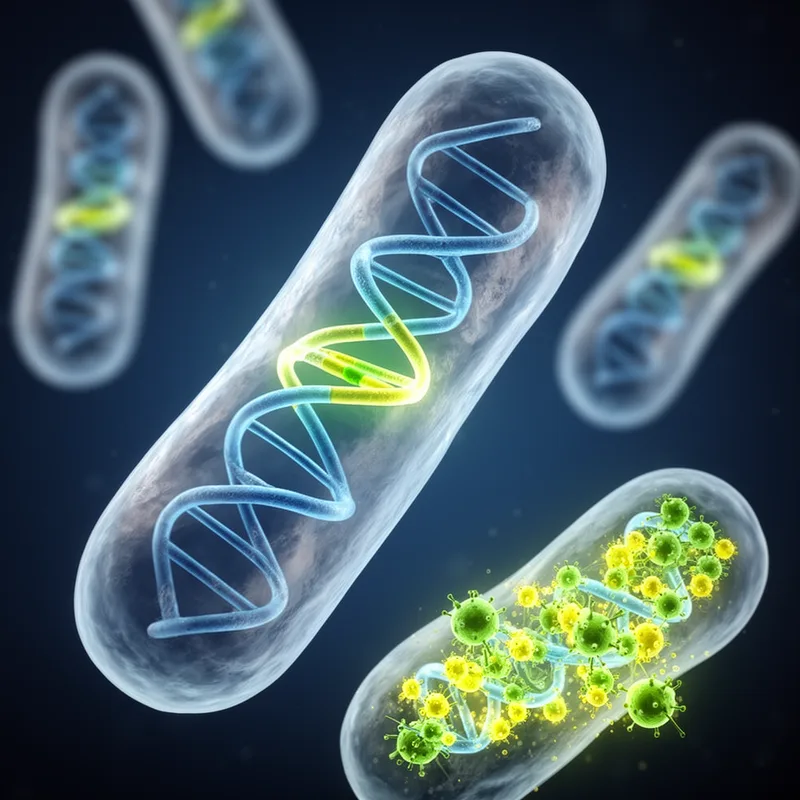
Lysogeny allows certain viruses to hide within bacterial chromosomes for many cell generations.
-
In lysogeny, the virus integrates its genome into the host's DNA.
-
The study of lysogeny has provided great insight into virus-host interactions.
-
The process of lysogeny allows viral DNA to remain dormant.
-
Lysogeny occurs when the viral genetic material becomes a permanent part of the host bacterium's genes.
-
The phenomenon of lysogeny is crucial for understanding how some viruses can persist in bacterial populations.
-
During lysogeny, the bacteriophage's DNA integrates into the bacterial chromosome, remaining inactive until activation.
Synonyms
A state where a virus's genes are inside a bacterium's genes and stay inactive
How Complete
- Specialized

- Specialized
Surface Forms
Morphology
lysogeny = lysogen (opaque) = lysogen + y
Standard noun formation from the noun 'lysogen' to denote the state or condition associated with lysogens.
Etymology
The word lysogeny comes from Greek parts lyso- meaning 'to loosen or break' and -geny meaning 'birth' or 'origin', like in gene or 'genetic'. So lysogeny describes when a virus's genes join inside a bacterium and stay hidden, with the chance to 'break out' later, which is why the name fits the modern meaning.

