
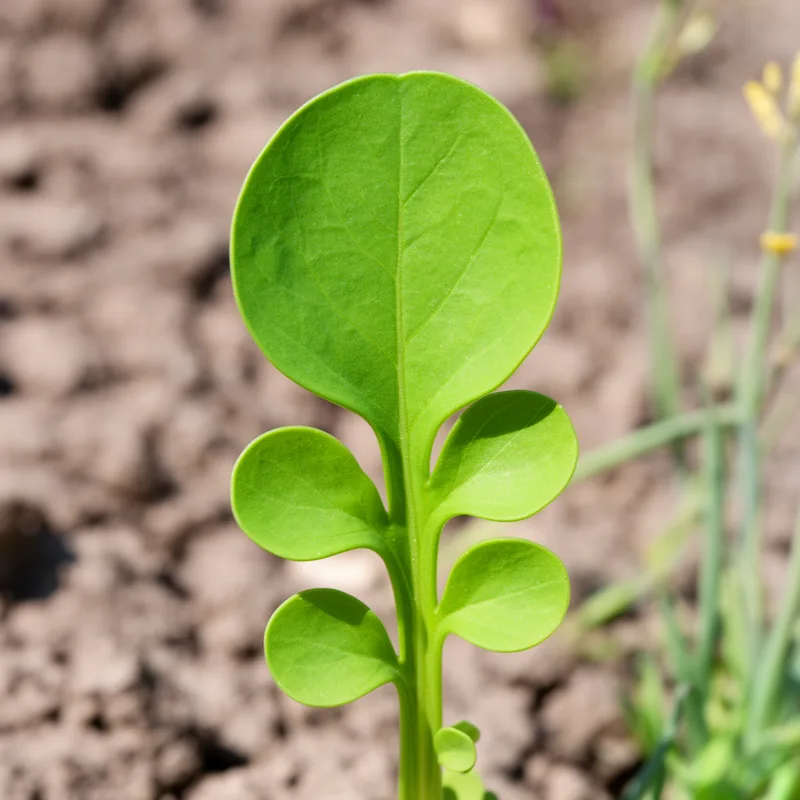
lyrate leaf
- noun
- Specialized
- The mustard plant is easily recognized by its distinctive lyrate leaf shape.
Examples
-
Botanists often classify specimens based on features like a lyrate leaf or a lobed margin.
-
A lyrate leaf can be seen in some species of wild radish.
-
The lyrate leaf has a unique shape.
-
Many plants exhibit a lyrate leaf structure.
-
The mustard plant is easily recognized by its distinctive lyrate leaf shape.
-
Botanists often classify specimens based on features like a lyrate leaf or a lobed margin.
-
A lyrate leaf can be seen in some species of wild radish.
Surface Forms
Morphology
The noun phrase combines the adjective 'lyrate' (meaning lyre-shaped) with 'leaf', so the overall meaning 'a leaf shaped like a lyre' is directly derivable from its parts. Although 'lyrate' is a technical botanical term, the adjective+noun composition is transparent and predictable for a learner who knows both constituent words.
Etymology
The noun lyrate leaf comes from the shape of an old string instrument called a 'lyre'. A lyrate leaf has a large rounded end and smaller side lobes that look like the arms of the 'lyre', so the name helps you remember it means a leaf with a big end and little side parts.

