

to lynch
 35
9.5
35
9.5

- verb
- /lɪnʧ/
- Offensive
- I seen my own brother lynched, Mr. Carter.
- lynched by a mob
- blacks were lynched
- whites were lynched
Loading YouTube…
Watch on YouTubeThat's why when black people were lynched, they were castrated.
- That's why when black people were lynched, they were castrated.
- Should we say, well, you've got the KKK, you like to lynch black people, don't you?
- The woman whose lie got Emmett Till lynched?
- Rape of course, was a was a capital crime and many people were either lynched or sentenced to death for for lynching.
Examples
-
In 1919, seventy-eight blacks were lynched, the majority in urban race riots.
Academic text (1999) -
Before his trial began, he was lynched by the Committee.
Academic text (2001) -
The crowd nearly lynched him.
-
The president thought he was going to have me lynched the next day.
Academic text (2011) -
Had he been cleared, he would probably have been lynched by the hostile mob surrounding the court.
Academic text (2011) -
African-American men were lynched, often for allegedly making sexual advances to white women.
Academic text (2002) -
In this case, a mob in Bainbridge lynched a farmer named Hollis Riles.
Academic text (2011) -
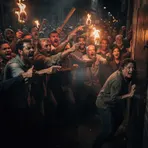
The mob decided to lynch the man they believed was guilty of the crime.
-
Historical records show that dozens of innocent people were lynched due to false accusations.
-
In a terrifying act of violence, the crowd began to lynch anyone suspected of witchcraft.
Synonyms
 291
9.9
291
9.9
To kill someone by tying them to a stake and setting them on fire
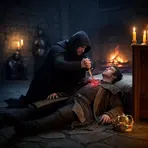
To kill someone on purpose and illegally, used in old writing
Compounds

Surface Forms
Etymology
The word lynch comes from the phrase Lynch law, and one common story says it was named after a Virginia man called Lynch who in the 1700s punished people without a court trial. So, to lynch someone came to mean killing or punishing them by a mob without a court trial, which is why the word has this violent meaning today.