

lycopod
- noun
- /ˈlaɪkəˌpɒd/
- Specialized
 :
licópedo
:
licópedo
- Lycopodium and Selaginella are sister lycopod taxa, whereas Dryopteris and Marsilea are both ferns.
- lycopods dominated
- lycopod trees
Examples
-
Lycopods thrive in wet, shaded areas where they can use their spores to reproduce as lycopods.
-
During the Carboniferous period, giant lycopods formed vast forests across the landscape.
-
The small lycopod in my garden has delicate leaves and reproduces through tiny cones.
Synonyms

 1
9.9
1
9.9

A small evergreen plant like a moss that is sometimes used in Christmas decorations
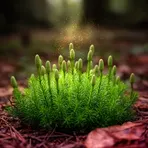
An evergreen plant that looks like moss and makes tiny spores in club-shaped cones

An evergreen plant that looks like moss and has small cones that contain spores
Compounds

A small low plant that grows in clumps and forms loose mats on the ground in eastern North America
Surface Forms
Morphology
lycopod = Lycopodium (opaque) = lyco + pod
Formed from Greek combining elements and/or shortened from the scientific name 'Lycopodium'; the components are specialist scientific morphemes not recognizable to an average B1 learner.
Etymology
Lycopod comes from Greek parts lyco- 'wolf' and -pod 'foot'. A helpful way to remember this small, moss-like plant that makes spores is to picture a tiny 'wolf's foot', a name that points to the plant's shape and to old clubmosses.