
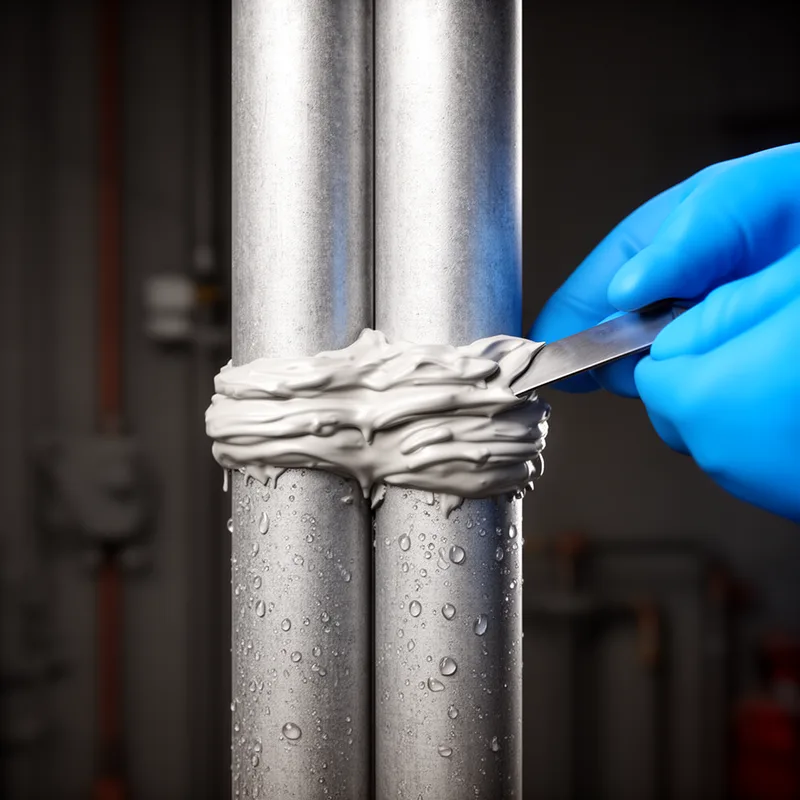
luting
- noun
- /ˈluːtɪŋ/
- Specialized
- Dental luting cements are used to fix crowns and bridges to teeth securely.
Examples
-
The engineer applied luting to the pipe joints to prevent any gas from leaking out.
-
A layer of luting was spread over the surface to make it watertight.
-
The plumber used luting to seal the pipes.
-
They applied luting around the edges of the sink.
-
A layer of luting was spread over the surface to make it watertight.
-
The engineer applied luting to the pipe joints to prevent any gas from leaking out.
-
Dental luting cements are used to fix crowns and bridges to teeth securely.
Synonyms

 6
5.8
6
5.8

A waterproof material that fills gaps around windows or bathtubs to stop water entering
 1
9.9
1
9.9
A thick material used to cover joints and stop leaks

A clay paste used to join and fill cracks in pottery
How Impervious

Surface Forms
Morphology
Etymology
Luting comes from the old word lute, from Latin lutum meaning 'mud' or 'clay', because people used a clay paste to seal joints and stop leaks. So, luting is the paste or coating used to make a joint or surface keep gas or water out.