

luteal


 1
9.9
1
9.9
- adjective
- /ˈluːtiəl/
- Specialized
- Probably the most notable finding was that the rate of firing rises in the late luteal phase, and the fluctuations in motor unit activity over the menstrual cycle could be a predisposing factor for the increased rate of knee pain in women.
- luteal phase
- luteal function
Loading YouTube…
Watch on YouTubeI'm going to take during my period phase or my luteal phase prior to my I believe it's the luteal phase.
- I'm going to take during my period phase or my luteal phase prior to my I believe it's the luteal phase.
Examples
-
An irregular luteal phase can affect a woman's fertility and her chances of conceiving.
-
Progesterone of luteal origin is important in the maintenance of gravidity, as suggested by many studies (Callard et al. 1992).
Academic text (1993) -
You know when I'm in my luteal phase, I tell you everything.
-
Luteal function and maternal recognition of pregnancy.
Academic text (1993) -
Removal of embryos early in pregnancy should modify the length of luteal function.
Academic text (1993) -
For the menstruation phase, data were collected on the second day of menses; for the follicular phase, on the 11th day; and for the luteal phase, on the 24th day of the cycle.
Academic text (2012) -
It is the luteal phase—the time between your ovulation and the next expected period—that is dangerous territory when it comes to alcohol.
Blog text (23) -
During the luteal phase, progesterone levels rise, preparing the body for a potential pregnancy.
-
Doctors often monitor hormone levels during the luteal phase to assess reproductive health.
Compounds
- Specialized
1
6.1
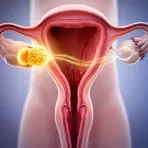
A phase after the ovary releases an egg when the body prepares the womb for pregnancy
Surface Forms
Morphology
luteal = lute + al
The word is formed with the adjectival suffix -al, but the base element is a classical form not transparent to most English learners.
Etymology
Luteal comes from the Latin luteus, which means 'yellow', because the corpus luteum is a short-lived 'yellow body' in the ovary. So luteal describes things related to that yellow body or to the later stage of the menstrual cycle after ovulation.