
lousewort


 1
9.9
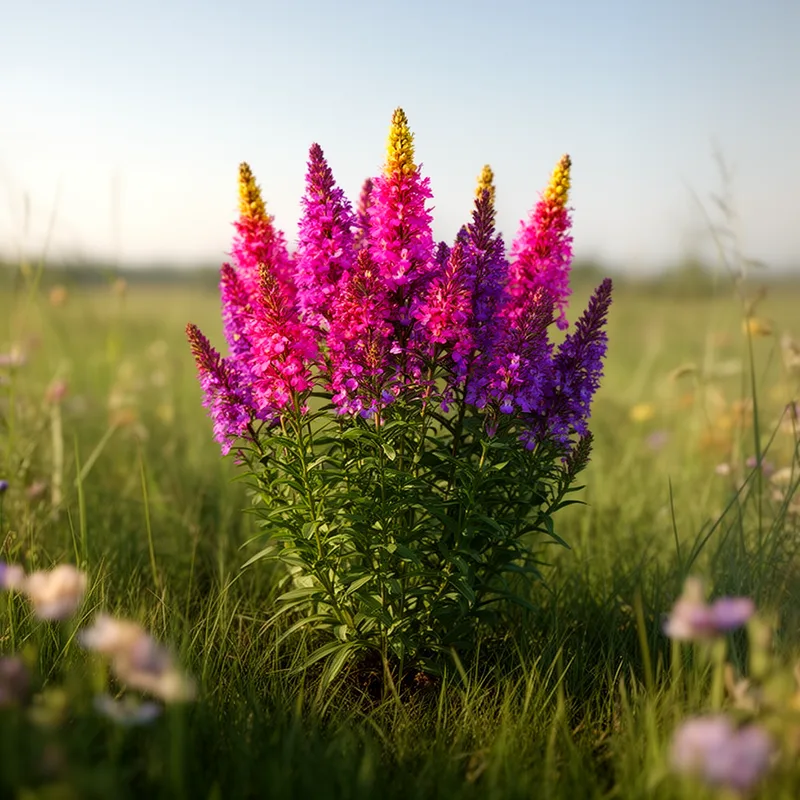
A plant with colorful flowers that often grows in meadows and on other plants
- noun
- /ˈlaʊsˌwɜrt/
- Specialized
:
pedicularis
- Wildflowers that may be visible from the road include Rocky Mountain bluebells, monkshood, golden smoke, New Mexican groundsel, white lousewort, Easter daisy, and the lovely mariposa lily, whose flowers have three large white petals.
Examples
-
In the meadow, the vibrant blooms of lousewort attract many pollinators.
-
It lets more light reach lousewort and other short species.
Academic text (1996) -
It is the lowly lousewort, Pedicularis canadensis.
Academic text (1996) -
The distinctive flowers of the lousewort can often be found in damp, grassy areas.
-
Many people enjoy admiring the colorful spikes of lousewort during the spring season.
Surface Forms
lousewort singular
louseworts plural
Morphology
Etymology
Lousewort comes from old English parts louse ('louse') and wort ('plant'), so it originally meant 'louse plant'. People once thought animals that ate it would get lice, which helps explain the name, and that's why lousewort today names a group of meadow plants that often feed on other plants.