

louse fly
- noun
- /ˈlaʊs flaɪ/
- Specialized
- The louse fly is often found in the feathers of pigeons and other birds.
Examples
-
Farmers sometimes encounter the louse fly infesting sheep and cattle.
-
Many birds are affected by louse flies during the summer.
-
She studied the louse fly as part of her research into parasitic insects.
-
The louse fly is known for its irritating bite.
-
Farmers often find the louse fly living among the feathers of their chickens.
-
The louse fly causes discomfort to birds by feeding on their blood.
-
Researchers observed that the louse fly targets various mammals for its blood meals.
Synonyms

 1
9.9
1
9.9

A small fly without wings that lives on sheep and other animals and drinks their blood

A small flat fly that sucks blood from birds and mammals
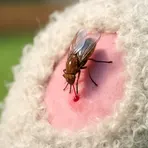
A small fly that lives on birds and mammals and drinks their blood

A small fly that lives on animals such as horses and birds and feeds on their blood

A small winged fly that bites horses to drink their blood

A small wingless fly that lives on sheep and drinks their blood
Surface Forms
Morphology
The compound 'louse fly' is directly built from 'louse' (a parasitic insect) + 'fly' (a two-winged insect) and denotes a fly associated with lice or parasitic on birds/mammals. This literal noun-noun composition follows a regular, cross-linguistic compounding pattern and a B1 learner who knows both constituents would be able to infer the meaning.
Etymology
Louse fly comes from a small, flat fly that lives in feathers or fur like a louse and bites animals to drink blood. So the name means a small 'bloodsucking' fly that lives on birds or mammals.