
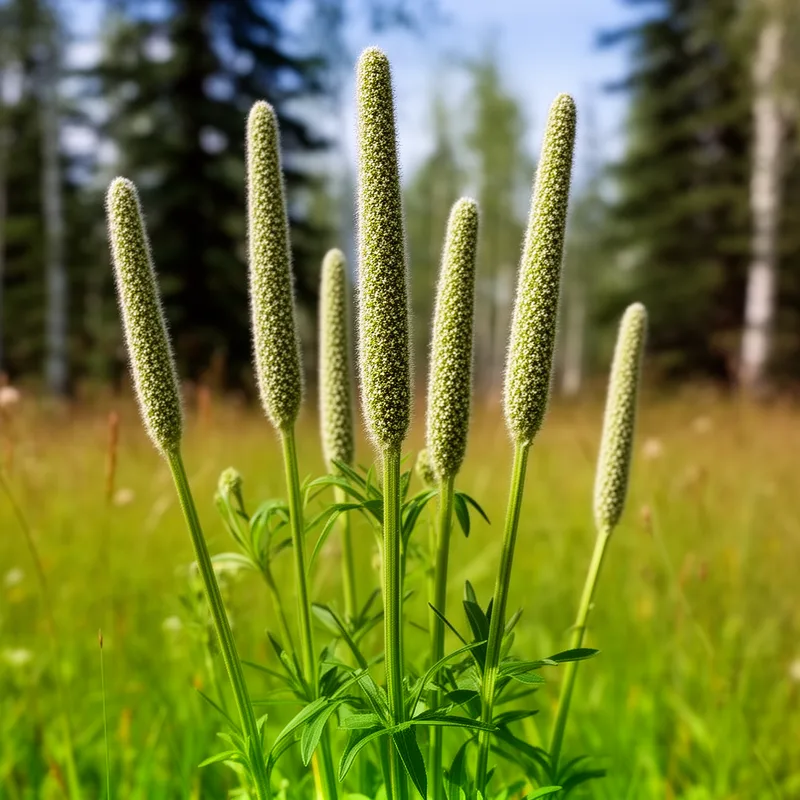
longheaded thimbleweed
- noun
- Specialized
- Gardeners appreciate the distinctive seed heads of the longheaded thimbleweed in the summer.
Examples
-
The longheaded thimbleweed blooms in late summer.
-
The longheaded thimbleweed is often found growing wild in northern forests.
-
Botanists conducted a study on the pollinators attracted to longheaded thimbleweed.
-
Many gardeners appreciate the longheaded thimbleweed for its unique appearance.
-
Gardeners appreciate the distinctive seed heads of the longheaded thimbleweed in the summer.
-
The longheaded thimbleweed is often found growing wild in northern forests.
-
Many gardeners appreciate the longheaded thimbleweed for its unique appearance.
Surface Forms
Morphology
longheaded + thimbleweed
The noun phrase is transparently compositional: 'longheaded' can be parsed as 'having a long head' and 'thimbleweed' names a type of plant, so the phrase clearly denotes a thimbleweed with an elongated seed/head. This descriptive adjective+noun pattern is common and predictable, so a B1 learner who knows the constituent meanings would be able to infer the MWE's meaning.
Etymology
Longheaded thimbleweed is a name that simply describes how the plant looks: thimbleweed refers to its small, 'thimble'-shaped seed cups, and longheaded points to the long 'seed head' on the plant. So the name helps people spot this type of plant by its long seed head.

