
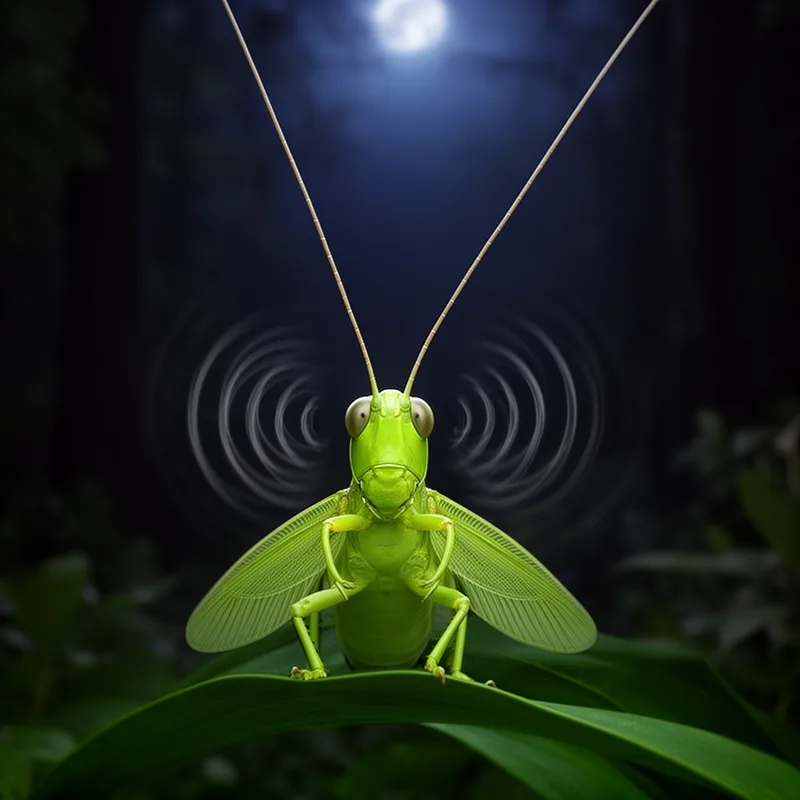
long-horned grasshopper
- noun
- /lɔŋ-hɔrnd ˈɡræsˌhɑpər/
- Specialized
- Biologists studied the mating calls of the male long-horned grasshopper.
Examples
-
We spotted a long-horned grasshopper perched on a leaf in the forest.
-
The long-horned grasshopper uses its wings to produce a distinctive sound at night.
-
The long-horned grasshopper is known for its distinctive antennae.
-
Many long-horned grasshoppers can be found in the tall grass.
-
The long-horned grasshopper is known for its impressive antennae that can be several times longer than its body.
-
During summer, the long-horned grasshopper fills the air with its distinctive chirping while perched on grass stems.
-
The long-horned grasshopper can be identified by its elongated antennae and unique green coloration.
Synonyms

 1
9.9
1
9.9

A large green insect like a grasshopper with long antennae that makes a loud chirping sound

A green insect like a large cricket with very long thin antennae

A group of insects like katydids with very long antennae that often look like leaves
How Long-Horned
- Specialized

- Specialized
Surface Forms
Morphology
long-horned + grasshopper
The compound is directly compositional: 'long-horned' denotes having long horn-like structures and 'grasshopper' names the insect, so a learner who knows the parts will infer it is a grasshopper with long horns (antennae). This adjective+noun pattern is regular and cross-linguistically common, making the meaning immediately derivable.
Etymology
Long-horned grasshopper is a name that paints a simple picture: the grasshopper has very long, horn-like feelers on its head, and the word long-horned points to those long 'antennae'. That's why the name means 'a grasshopper with long antennae' and helps you picture this insect.