
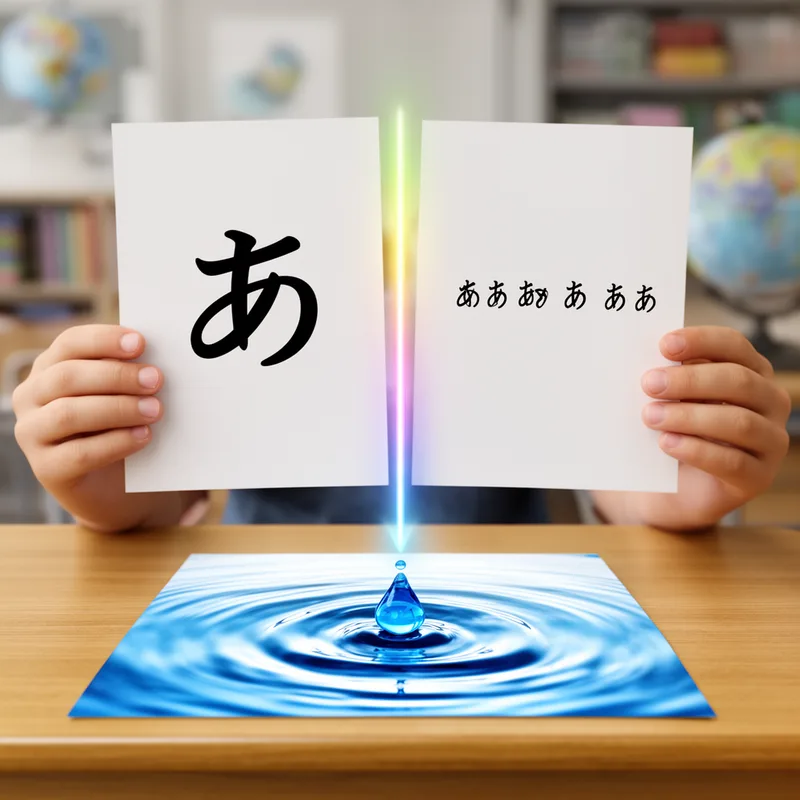
logogram


 1
9.9
1
9.9
- noun
- /ˈloʊɡəˌɡræm/
- Specialized
- Hieroglyphics are famous for their use of logograms, which convey full words through unique shapes.
- logogram and pictograph
Examples
-
Because, unlike speech, a logogram is free of time.
-
Logograms make sense when you need to document thoughts into a single complex character.
Blog text (18) -
So it's a mixed script, just like the demotic phonetic values and symbolic values, or logograms as we call them now, signs for words.
-
In ancient scripts, a logogram is used to represent a whole word, like the symbol for 'water' in Chinese.
-
Modern writing systems benefit from logograms, as seen in symbols used for currencies like '$'.
Synonyms
 136
3.2
136
3.2
A written sign such as a letter or number
 73
2.7
73
2.7
A mark, like a letter, that stands for something
 15
8.9
15
8.9
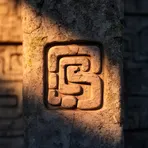
A carved or written sign that stands for something in writing

A written sign that stands for a whole word or short phrase

A written Chinese character that shows meaning and sound

A written mark, like a letter, that stands for a sound or idea

A mark made when writing or printing, like a letter
How Pictorial

Surface Forms
Morphology
logogram = logo + gram (semi-transparent) = logo + gram
Formed from the combining forms 'logo-' (word) and '-gram' (written/record); the morphemes are technical combining forms and the common sense of 'logo' (a corporate symbol) can mislead learners, so the meaning is not fully obvious to a general B1 learner.
Etymology
The word logogram comes from the Greek parts logo- meaning 'word' and -gram meaning 'written sign', and you can see -gram in familiar words like telegram. So a logogram is a single written sign that stands for a whole 'word' or phrase, not a sound.