
load factor
 1
8.2
1
8.2

- noun
- /loʊd ˈfæktər/
- Specialized
- A review of available literature indicates that a typical load factor assumed for onshore wind farms is 30%, and for offshore wind farms, 35% is normal.
- percent load factor
Examples
-
In the Netherlands, the typical load factor is 22%; in Germany, it is 19%.
Blog text (32) -
Planes are flying about three-quarters full on average, according to the latest "load factor" reports.
Blog text (7) -
These programs are assumed to have the same load factor as that of the utility system (63%).
Academic text (1992) -
The load factor for this aircraft determines how efficiently it can carry passengers and cargo.
-
Airline analysts often look at the load factor to assess the financial performance of a flight.
-
A higher load factor indicates that an aircraft is carrying more weight relative to its total capacity.
Surface Forms
Morphology
The compound is compositionally formed from 'load' and 'factor', so a learner who knows both words can infer it refers to a numerical/relative measure related to load. However, the specific technical sense (a ratio in aeronautics measured in g‑forces) requires domain knowledge beyond the constituent meanings, so the relation is only partially predictable.
Etymology
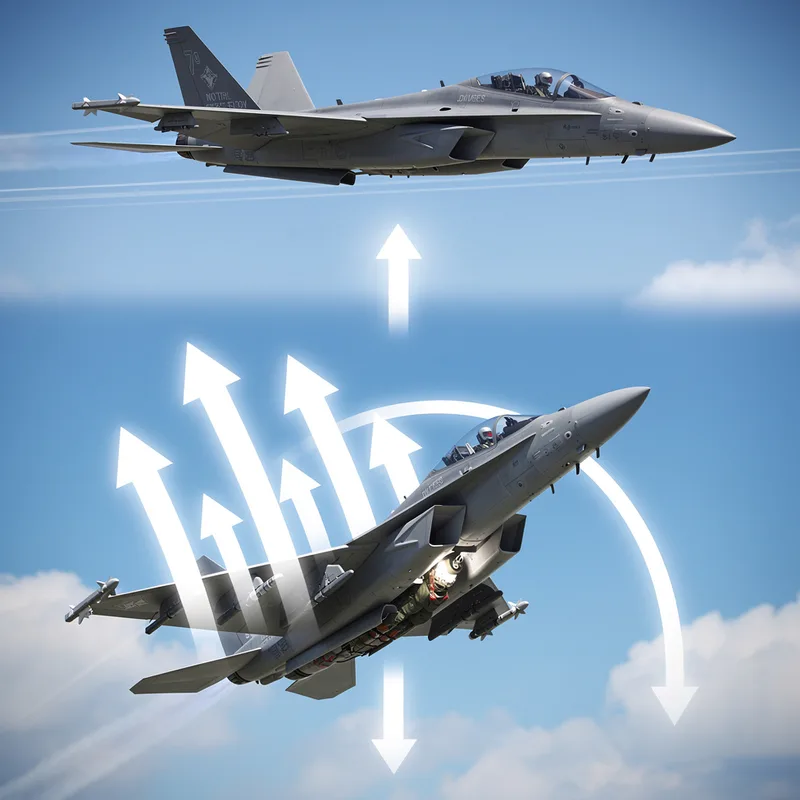
Load factor comes from the simple picture of comparing the load on a plane to its own weight, with factor meaning 'how many times'. Imagine a sharp turn or turbulence that makes the plane feel much heavier; the load factor tells pilots how many times heavier the aircraft is feeling, so they can keep flying safely.