
limonene


 1
8.8
- noun
- /ˌlɪməˈniːn/
- Specialized
- The researchers made a scratch-and-sniff pad—a thin, dried sheet from the powder and limonene mix—that released the smell of limonene whenever it was scratched, for up to several weeks.
- D-limonene
Examples
-
The concentration of terpenes, including B-limonene and alpha-pinene, is also included in Table 2.
Academic text (1997) -
Lemons, of course, contain D-limonene (sp?) which has been proven to decrease blood sugar levels as well as blood pressure, along with the benefits listed in this article.
Blog text (12) -
If ammonia, limonene, and alpha-pinene are also taken into account, the remaining sources could also be identified as odor complaints.
Academic text (1997) -
Volatile oils like limonene, the principal aroma component of lemon, can be incorporated into Fantesk after it is processed into a powder.
Academic text (1995) -
The researchers made a scratch-and-sniff pad—a thin, dried sheet from the powder and limonene mix—that released the smell of limonene whenever it was scratched, for up to several weeks.
Academic text (1995) -
Limonene is a key ingredient in many lemon-flavored candies because of its distinct limonene odor.
-
Herbalists often recommend limonene for its potential health benefits and refreshing scent when used in aromatherapy.
-
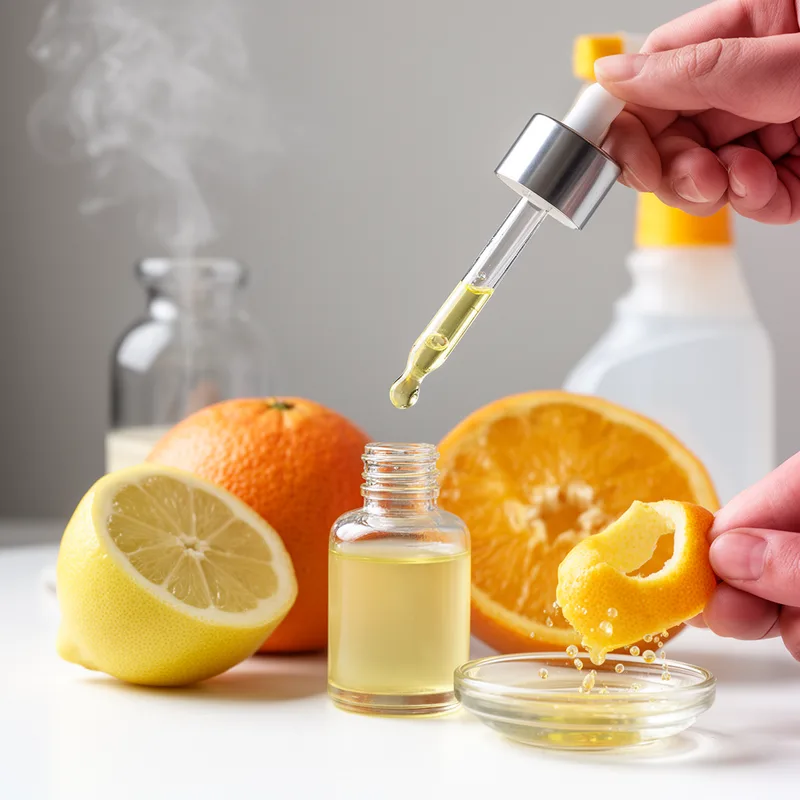
The fragrance of limonene adds a delightful citrus note to many household cleaning products.
Surface Forms
Morphology
limonene = lemon (semi-transparent) = limon + ene
The element 'limon' clearly evokes 'lemon' (lemon-like scent), but the suffix '-ene' is a technical chemical ending unfamiliar to many learners.
Etymology
Limonene comes from lemon (older forms like limon), so its name points to 'lemon' or citrus fruit. The ending -ene is a simple chemical label, so limonene is the oily chemical that gives the 'lemon-like' smell in citrus peels and perfumes.