
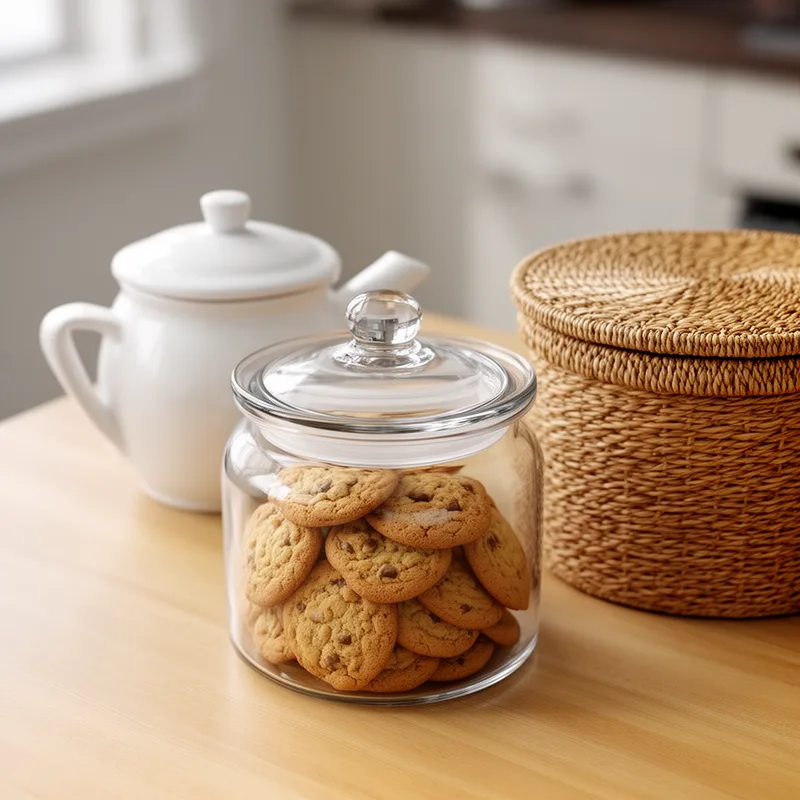
lidded
 1
4.9
1
4.9

- adjective
- /ˈlɪdɪd/
- Mira Bai looks up at me, heavy-lidded, still deep in meditation.
- lidded eyes
- heavy-lidded
Loading YouTube…
Watch on YouTubeSo for the next part of this, we've got the benchmarks with Kyle's CPU doing D LED versus lidded and sealed versus no sealant.
- So for the next part of this, we've got the benchmarks with Kyle's CPU doing D LED versus lidded and sealed versus no sealant.
Examples
-
They are deep-socketed, heavy-lidded, and very darkly shadowed, the area around them looking almost bruised.
Fiction book (1991) -
Who was he, after all, with his boots and his lidded eyes?
Fiction book (1993) -
Her eyes are wide and heavy-lidded; she looks out of the stone.
Fiction book (1994) -
His features come into view, dark as night, hair swept to one side, eyes lidded against the slanted sun, skin a warm copper.
-
The cat matched Maxxx's lidded stare with one of its own.
Fiction book (1997) -
Her eyes were large, heavy-lidded, tilted up at the outer corners.
Fiction book (2002) -
But something was wrong with those eyes—heavy-lidded, full of mystery one minute; the next, they became the scared eyes of a lost child.
Fiction book (1991) -
She woke up and opened her lidded eyes, squinting at the bright sunlight streaming in.
-
The cat lay sleeping with its lidded eyes, enjoying a peaceful afternoon nap.
-
He watched the performance, occasionally blinking his lidded eyes as he tried to stay awake.
Antonyms
How Covered


Surface Forms
Morphology
Etymology
Lidded comes from the everyday word lid, which meant 'cover' in old English, and the ending -ed means 'having'. So a lidded jar is one 'having' a cover, and thinking of eyelid (the 'lid' for your eye) helps you remember it means 'covered' or 'with a lid'.