

libelous
 8
8.4
8
8.4

- adjective
- /ˈlaɪbələs/
- US
- If I were Mr. Rayburn, I would be rather upset by this libelous article you have written.
Examples
-
Comments judged by the editors to be obscene, libelous, or otherwise inappropriate will be deleted.
Blog text (24) -
It puts forth a libelous and grossly inaccurate portrayal... of a very decent man.
-
First of all, that ad is positively libelous.
-
The truth is no justification for a libelous article printed without cause.
-
Frankly, Miss Johnson's statement is potentially libelous.
-
He fills the pages of his magazine, America, with libelous comments on all things American.
-
What you're saying is libelous, and you're in no position to challenge my expertise.
-
The magazine contends that as long as the advertisements are not libelous, they can be run in good conscience.
Academic text (1991) -
The article contained several libelous statements about the politician that damaged her reputation.
-
Publishing libelous content can lead to serious legal consequences for the writer.
Synonyms
 11
7.9
11
7.9
False statements about a person or group that harm their reputation
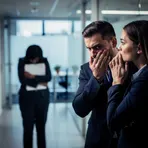 11
7.3
11
7.3
False and harmful statements that damage a person's reputation


 1
9.9
1
9.9
False statements meant to hurt someone's reputation

False statements that try to harm someone's reputation

Hurt someone's reputation with unfair or unproven claims

Saying things to make someone look bad, often unfair or untrue

Harming someone's reputation by saying unfair or untrue things

Giving unfair critical comments that make someone seem worse
Antonyms

How Defamatory

Surface Forms
Morphology
Etymology
Libelous comes from libel, which in turn comes from the Latin libellus meaning 'little book'. Long ago libellus came to mean a 'written attack' on a person, so a libelous statement is a harmful written claim that can damage someone's good name.