
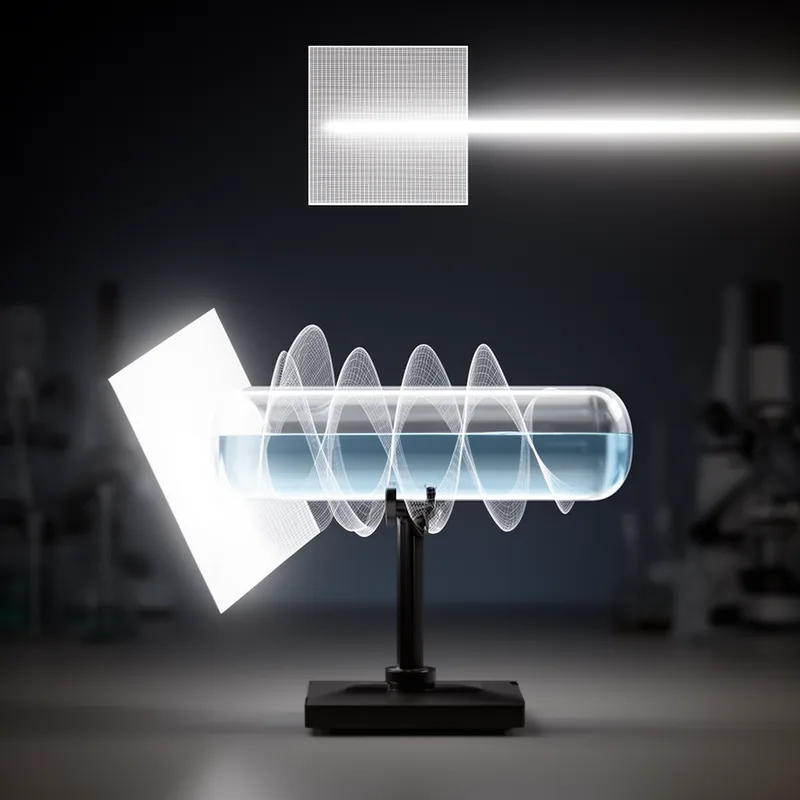
levorotatory
- adjective
- /ˌlɛvəˈroʊtəˌtɔri/
- Specialized
- Identifying whether a compound is levorotatory or dextrorotatory is important in stereochemistry.
Examples
-
Glucose in its natural form is levorotatory and rotates polarized light to the left.
-
The chemist explained that the levorotatory isomer had different physiological effects than its dextrorotatory counterpart.
-
Glucose in its natural form is levorotatory and rotates polarized light to the left.
-
The levorotatory compound was used in the experiment.
-
Is the solution levorotatory or dextrorotatory?
-
Identifying whether a compound is levorotatory or dextrorotatory is important in stereochemistry.
-
The chemist explained that the levorotatory isomer had different physiological effects than its dextrorotatory counterpart.
Synonyms



 1
3.9
Turning or moving to the left, as in counterclockwise motion
Rotates light that vibrates in one direction to the left when seen from the light source
Surface Forms
Morphology
Etymology
Levorotatory comes from Latin parts levo- meaning 'left' and rotatory from rotate meaning 'turning'. So a levorotatory substance turns polarized light to the 'left', which is why chemists use this word to show the direction of rotation.