
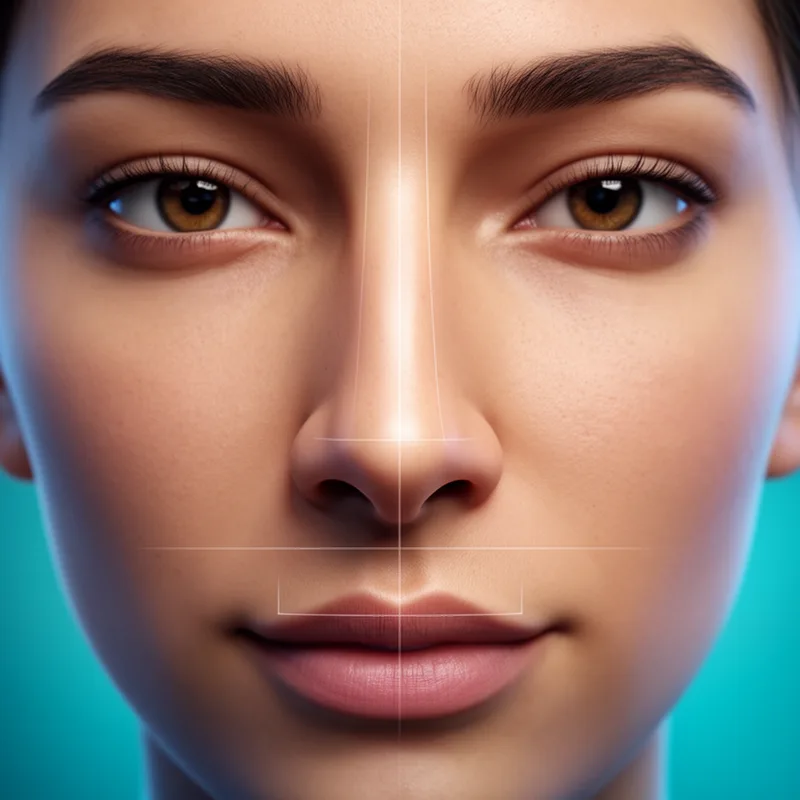
leptorrhinic
- adjective
- /ˌlɛp.təˈrɪn.ɪk/
- Specialized
 :
leptorrinico
:
leptorrinico
- A leptorrhinic nose is characterized by longer and narrower nasal openings.
Examples
-
The anthropologist described the skull as leptorrhinic due to its distinct nasal proportions.
-
Certain populations are more likely to exhibit a leptorrhinic nasal type.
-
The leptorrhinic nose is quite unique.
-
Is it common to see leptorrhinic traits in certain populations?
-
The anthropologist described the skull as leptorrhinic due to its distinct nasal proportions.
-
Certain populations are more likely to exhibit a leptorrhinic nasal type.
-
A leptorrhinic nose is characterized by longer and narrower nasal openings.
Synonyms

Having a long narrow nose

A person or face with a long, narrow nose

Having a long narrow nose
Antonyms


How Narrow

Surface Forms
Morphology
leptorrhinic = leptorrhine (opaque) = lepto + rhin + ic
Built from Greek combining forms lepto- ('thin') + rhin- ('nose') which are not recognizable to an average B1 learner, so the composition is not transparently interpretable.
Etymology
Leptorrhinic comes from Greek parts lepto- meaning 'thin' and rhinos meaning 'nose', the same root you see in rhinoceros. So a leptorrhinic nose is literally a 'thin' nose, which is why the word means a long, narrow nose.