

leptorhine
- adjective
- /ˈlɛptəˌraɪn/
- Specialized
- The patient was noted to have a leptorhine nose, typical of certain ancestral groups.
Examples
-
Anthropologists classified the skull as leptorhine based on its nasal index.
-
In her portrait, her delicate, leptorhine features are clearly visible.
-
Is this breed known for its leptorhine nose?
-
What does a leptorhine nose look like?
-
The anthropologist described the ancient fossil as leptorhine due to its elongated nasal structure.
-
Her leptorhine profile gave her a unique and striking appearance in the fashion industry.
-
Animals with a leptorhine nose often inhabit environments where long snouts are advantageous for foraging.
Synonyms
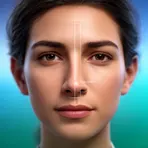
Having a long narrow nose

A person or face with a long, narrow nose

Having a long, narrow nose
Antonyms


How Narrow

Surface Forms
Morphology
leptorhine = lepto + rhine
Formed from Greek combining elements (lepto- 'thin' + -rhine 'nose') that are not productive or familiar to average B1 learners, so the meaning is not transparently derived from common English base words.
Etymology
Leptorhine comes from two Greek parts: lepto- meaning 'thin' and -rhine meaning 'nose', the same 'rhino' you see in rhinoceros. So leptorhine describes a long, narrow nose, which is why the word is used for that facial shape.