
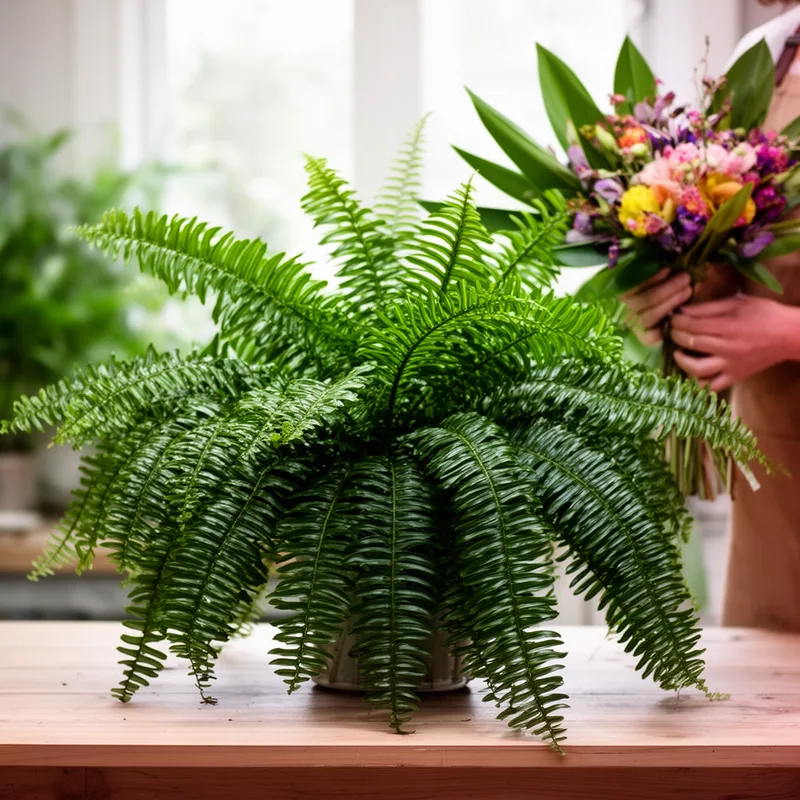
leatherleaf fern
- noun
- /ˈlɛðərˌlif fɜrn/
- Australian
 :
helecho manto de cuero
:
helecho manto de cuero
- In the wild, leatherleaf fern thrives in shaded, humid environments throughout the Southern Hemisphere.
Examples
-
The florist used leatherleaf fern as greenery in the bouquet arrangements.
-
Many gardeners appreciate leatherleaf fern for its hardy, attractive fronds.
-
The leatherleaf fern thrives in humid environments.
-
Many gardeners love the leatherleaf fern for its unique appearance.
-
In the wild, leatherleaf fern thrives in shaded, humid environments throughout the Southern Hemisphere.
-
Many gardeners appreciate leatherleaf fern for its hardy, attractive fronds.
-
The florist used leatherleaf fern as greenery in the bouquet arrangements.
Synonyms

A tropical fern with long leathery divided leaves

Tropical fern with thick divided leaves that grow in warm southern places

A fern with tough divided leaves often used in flower arrangements
Surface Forms
Morphology
The noun is compositionally built from descriptive elements: 'leatherleaf' (having leathery leaves) + 'fern' (a type of plant), so the overall meaning — a fern with leathery leaves — is directly inferable from the parts. This kind of descriptive compound is cross-linguistically common and follows regular word-formation patterns, so a B1 learner who knows the constituents would understand it.
Etymology
Leatherleaf fern gets its name from the plant's tough, shiny leaves that feel like leather, so people named it for its strong leafs. That's why the name tells you it is a fern with sturdy leaves often used as greenery.

