

leafiness
3.7
The state of a plant or place that has many flat green parts
- noun
- /ˈliːfɪnəs/
:
hojosidad
- The illustration, from a sixteenth-century manuscript, shows that wildness was evoked by leafiness as well as by hairiness.
Examples
-
The garden's leafiness provided a perfect shade on hot summer days.
-
Leafiness is another consideration because leaves catch raindrops and dew, and juveniles require water on a regular basis.
Academic text (1990) -
Animals often prefer areas of high leafiness as they offer shelter and food.
-
In spring, the leafiness of the trees gives the park a vibrant green appearance.
Synonyms

foliage
vsleafiness
 39
4.5
39
4.5

The leaves growing on a plant or tree
means having many of those parts rather than naming them collectively
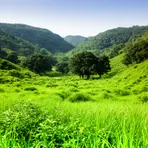
greenness
vsleafiness
1
3.3
A rich area full of healthy plants
centres on number of parts rather than colour or vibrancy
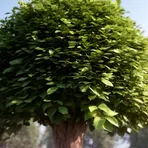
leafage
vsleafiness
6.9
All the leaves of a plant or tree seen together
describes being covered with many of those parts

lush green foliage
vsleafiness
3.5
Thick, healthy green leaves on plants and trees
highlights quantity without focusing on health or colour
How Lush

leafiness
3.7
Surface Forms
leafiness singular
leafinesses plural
Morphology
Etymology
Leafiness comes from the simple word leaf, the green part of a plant, plus the ending -ness, which means 'state' or 'quality'. So leafiness means being full of leaves or covered with leaves, like a leafy garden that gives shade.