
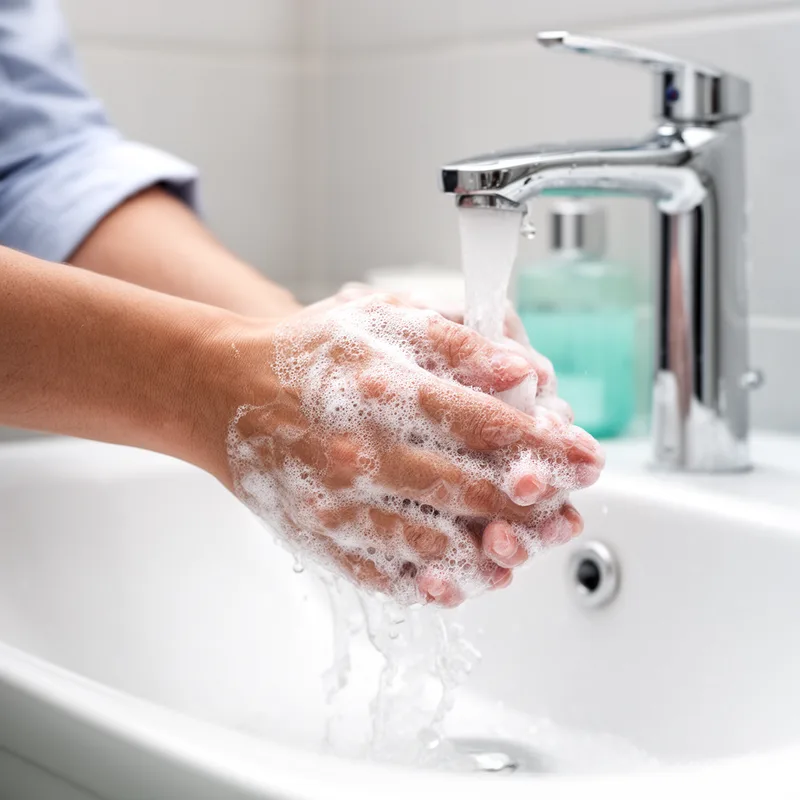
lavation
- noun
- /ləˈveɪʃən/
- Archaic
- Frequent lavation of the hands can help prevent the spread of illness.
Examples
-
The nurse performed a careful lavation of the patient's wound before dressing it.
-
In certain rituals, a full lavation of the body is required before entering the temple.
-
Daily lavation is essential for good hygiene.
-
He enjoys a refreshing lavation after a long day.
-
Frequent lavation of the hands can help prevent the spread of illness.
-
The nurse performed a careful lavation of the patient's wound before dressing it.
-
Daily lavation is essential for good hygiene.
Synonyms

 89
1.0
89
1.0

An act of cleaning something with water, often using soap
 46
1.0
46
1.0
The act of cleaning something with water and soap
 3
1.0
3
1.0
Washing something with clean water to remove soap or detergent

Washing yourself or someone else quickly to clean
Antonyms

How Clean

Surface Forms
Morphology
Etymology
Lavation comes from the Latin verb lavare, which means 'to wash', and is like the everyday word lavatory, a place for washing. So, lavation simply means the act of washing or cleansing.