
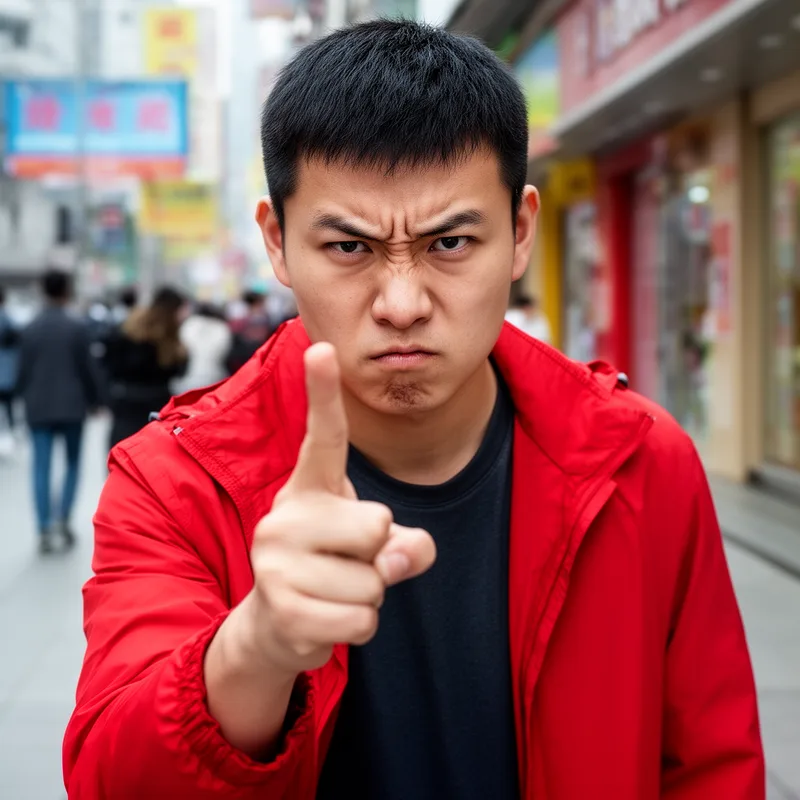
lanjiao gesture
- noun
- Offensive
- During the heated argument, he made a lanjiao gesture to show his annoyance.
Examples
-
He made a lanjiao gesture when he heard the news.
-
The lanjiao gesture is often used in heated discussions.
-
He made a lanjiao gesture to express his frustration.
-
In online videos, you might see someone perform the lanjiao gesture as an insult.
-
Some people find the lanjiao gesture deeply disrespectful and offensive.
-
She couldn't believe he used the lanjiao gesture after hearing her opinion.
-
In response to the rude comment, he quickly shot the lanjiao gesture back.
Synonyms

 245
3.2
245
3.2

An action done to show feeling or good will rather than to change things
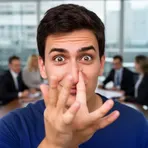
A rude gesture showing no respect by putting a thumb on the nose and wiggling the fingers

A hand held up with the fingers closed to show protest or unity
Antonyms

Surface Forms
Morphology
lanjiao + gesture
The element 'lanjiao' is a language-specific slang label not analyzable from English morphemes, and knowing 'gesture' only signals a hand movement; the offensive meaning and specific form of the sign require cultural or lexical knowledge of the slang rather than compositional inference. Therefore a B1 learner who only knows the literal words would not be able to derive the MWE's meaning without prior exposure to the term and its cultural context.
Etymology
Lanjiao gesture comes from a rude southern Chinese word lanjiao that names the male private part, and the movement mimes or points to that idea as an insult. So the gesture is used to show 'anger' or 'disrespect'.