
lac dye
- noun
- Specialized
- The vibrant red of the antique fabric came from lac dye.
Examples
-
Textiles were once colored with lac dye before synthetic dyes became common.
-
The artist used lac dye to create vibrant colors.
-
Researchers studied the composition of lac dye to understand its unique color properties.
-
Many textiles are dyed with lac dye for a rich hue.
-
Textiles were once colored with lac dye before synthetic dyes became common.
-
The vibrant red of the antique fabric came from lac dye.
-
Many textiles are dyed with lac dye for a rich hue.
Synonyms

 1
9.9
1
9.9

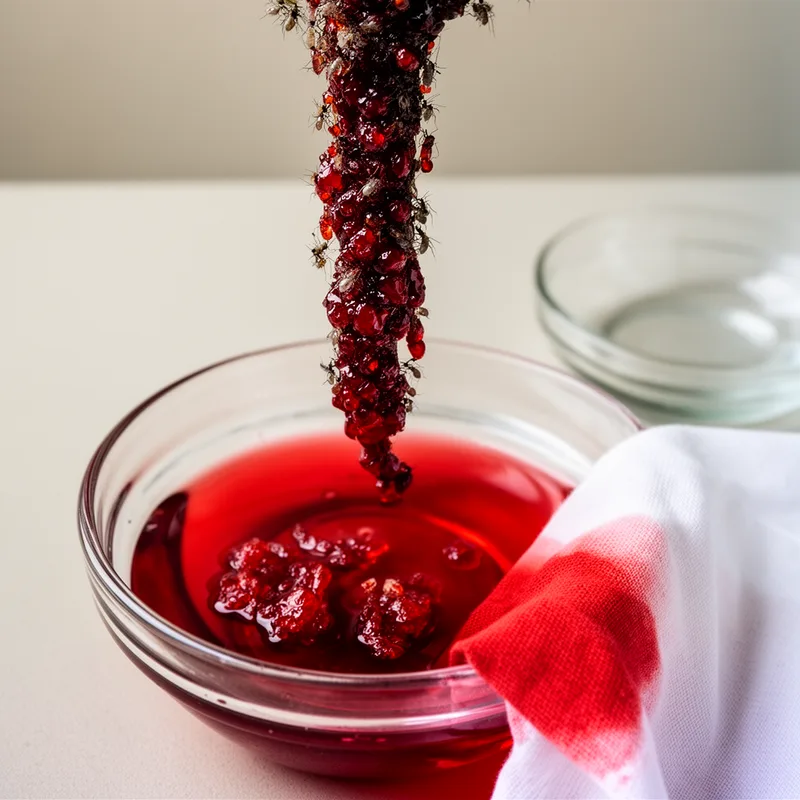
A red dye made from dried insects used to color food and fabric

A red dye used to color wool and stain samples for study
Surface Forms
Morphology
The compound follows a straightforward noun+noun composition where the second noun names the product made from the first: 'lac' (the resin) + 'dye' yields a dye produced from lac. This is a common and cross-linguistically transparent pattern (e.g., 'indigo dye', 'cochineal dye'), so a B1 learner who knows both constituent words would readily infer it is a dye made from lac, even if 'lac' itself is somewhat specialized vocabulary.
Etymology
Lac dye comes from the sticky substance that small insects leave on tree branches, called stick lac. People collected and heated that substance to make a bright 'red' color for cloth, so lac dye came to mean the red dye made from the insect product.