
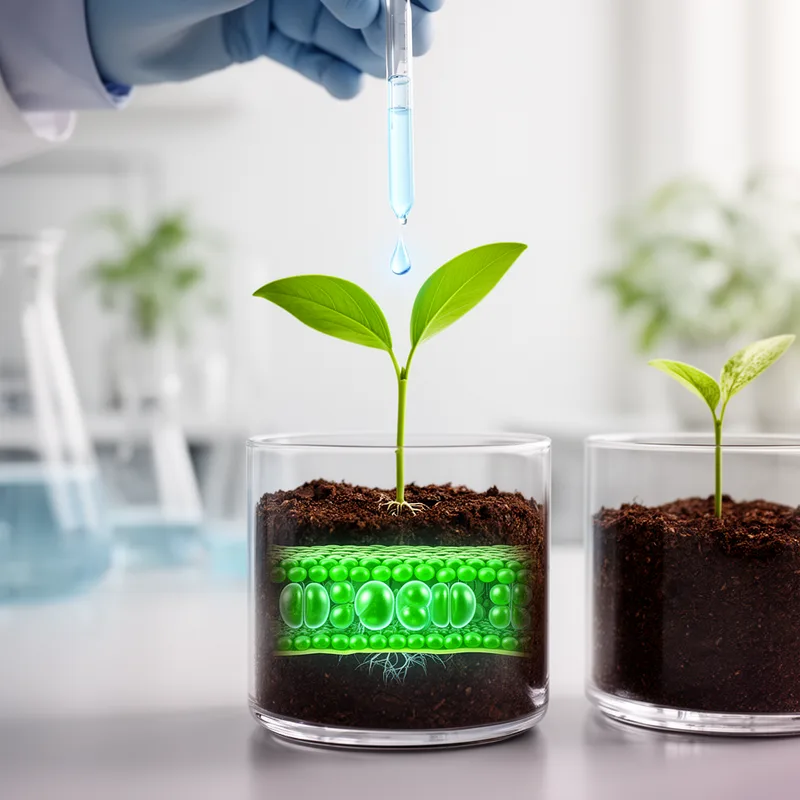
kinetin
- noun
- /kɪˈnɛtɪn/
- Specialized
- Results of the jar trial indicated that PGPR isolates had a positive interaction with the kinetin and significantly increased shoot and root length.
- application of kinetin
- use of kinetin
- sole application of kinetin
Examples
-
The present study was planned to evaluate the role of kinetin and PGPR alone, as well as in combinations, on the growth and development of maize.
Academic text (2013) -
However, the synergistic effect of PGPR isolates and kinetin was significantly better.
Academic text (2013) -
However, when kinetin was applied in combination with these four PGPR isolates, the maize growth was further enhanced.
Academic text (2013) -
Kinetin (10-4 M) was applied at the emergence stage of seedlings.
Academic text (2013) -
The plant growth promotion effect of all four PGPR isolates was variable, whether these were applied alone and/or in combination with kinetin.
Academic text (2013) -
If PGPR are supported with exogenous application of different plant growth regulators, like kinetin, this strategy may result in overcoming suboptimal levels of cytokinin in plants.
Academic text (2013) -
The study was conducted to evaluate the effect of exogenously applied cytokinin (kinetin) and four different PGPR isolates alone, as well as in combination with kinetin, on the growth and development of maize.
Academic text (2013) -
Data from the pot trial further confirmed the results of the jar trial, where the combined use of bacterial strains with kinetin increased plant height (53%), shoot fresh weight (48%), root length (50%), shoot dry weight (133%), root fresh weight (37%), and root dry weight (70%) as compared to the sole application of kinetin.
Academic text (2013) -
A study was conducted in a series of jar and pot trials where the effect of four different PGPR isolates, alone and in combination with kinetin, on maize (Zea mays L.) was evaluated under controlled and natural conditions.
Academic text (2013) -
Many skincare products now include kinetin to help reduce the signs of aging.
Surface Forms
Morphology
kinetin = kinet + in
A specialized chemical name formed from the combining form 'kinet-' plus the chemical substance suffix '-in'; this structure is not transparently interpretable by an average B1 learner from familiar English base words.
Etymology
Kinetin comes from the root kine- meaning 'move', the same root you see in kinetic. Because kinetin makes plant cells divide and grow, it is easy to remember it as a substance that helps living things 'move' or grow, which is why it is used for plant growth and in some anti‑aging research.

