
kibbutznik


 1
9.8
- noun
- /kɪˈbʊtsnɪk/
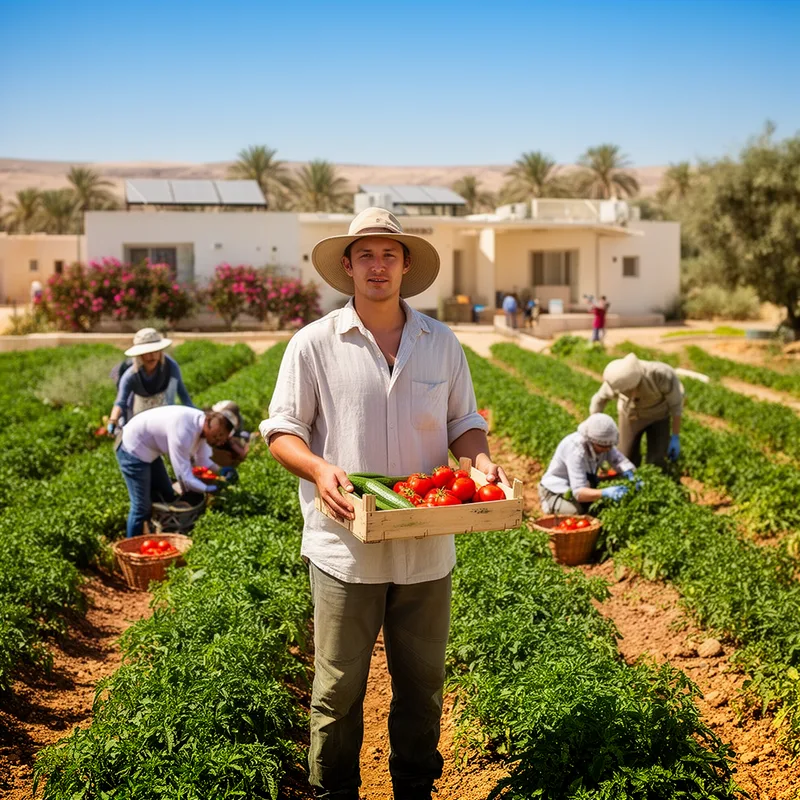
- The kibbutzniks work together to harvest the fields during the summer months.
Examples
-
After all, the kibbutzniks immediately embraced me as one of theirs; they realized I was a wandering soul in need of permanent shelter.
Fiction book (1999) -
"Jerusalem was our largest client," the kibbutznik shrugged, so much flesh on his shoulders and jowls.
Fiction book (2001) -
Grossman, although not a kibbutznik, has been quite supportive.
Fiction book (1999) -
The crowd of kibbutzniks stood frozen, whispering in shock.
Fiction book (1994) -
In the small city of Sderot, located a spitting distance from Gaza, I visited a friend who is an urban kibbutznik.
Academic text (2015) -
She was a kibbutznik; I was from Tel Aviv.
Fiction book (1994) -
In the place of the kibbutzniks who once dominated the officer corps are ever-increasing numbers of modern Orthodox officers, including religious generals.
Academic text (1998) -
Through the early 1980s, secular kibbutzniks, moshavniks, and others affiliated with the Zionist parties of the left dominated the IDF's command.
Academic text (2011) -
As a proud kibbutznik, she contributes to the community by teaching children about agriculture.
-
Many kibbutzniks share a deep connection to the land and its traditions.
How Communal

Surface Forms
Morphology
Etymology
Kibbutznik comes from the Hebrew kibbutz, which means 'gathering' or 'group', and the ending -nik, which means 'person' and appears in words like beatnik and refusenik. So a kibbutznik is a person who belongs to a kibbutz and often lives and works there.