
kerogen


 1
9.9
- noun
- /ˈkɛrəˌdʒɛn/
- Specialized
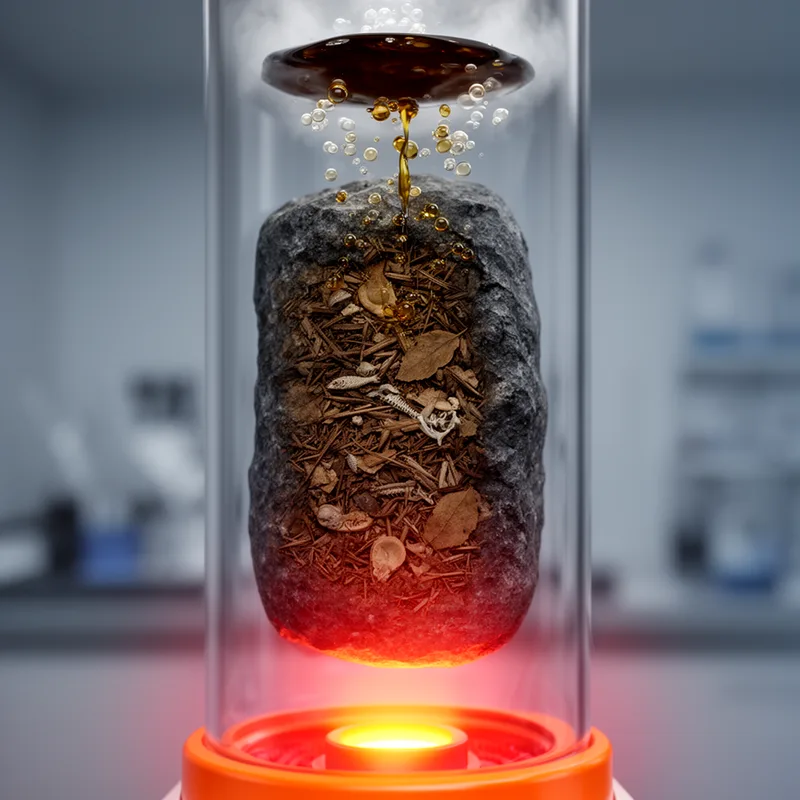
- Kerogen is a crucial element in the formation of kerogen and gas in sedimentary rocks.
- fragments of organic matter
- kerogen into usable fuels
- kerogen into oil
Examples
-
The 26% share of the world's technically recoverable oil may, at a guess, include our long-promised trillion barrels of Colorado/Utah oil shale, the kerogen rocks.
Blog text (9) -
Equating sand oil or kerogen to WTI doesn't make sense.
Blog text (6) -
Does 'kerogen rocks' really account for the "26% share"?
Blog text (9) -
Similarly, if the number is really about kerogen, then we should infer the previous figure of "2%" is the realistic one.
Blog text (9) -
Phil, I'm not sure either, but in reading the USGS report from that link, they are not using the kerogen shales.
Blog text (9) -
Any such reduction would make any consideration of kerogen shale purely notional and would dramatically change both US and world prospects and world trade into the bargain (10-20 years?).
Blog text (9) -
The production of shale oil/tight oil (which is not to be confused with oil shale; kerogen) is proclaimed by many to constitute a "revolution" and/or "game changer" for the global supplies of crude oil.
Blog text (8) -
The extraction process involves heating kerogen to convert it into usable fuel sources.
-
Researchers study kerogen to better understand the geological processes that produce fossil fuels.
Surface Forms
Morphology
kerogen = kero + gen
A specialised scientific formation from Greek combining forms ('kero-' + '-gen') that are not productive standalone English words, so learners cannot reliably infer the meaning from the parts.
Etymology
Kerogen comes from Greek parts kero- meaning 'wax' and -gen meaning 'to make', like in generate. So kerogen is 'wax-born', a waxy mix in rocks that can turn into oil and gas when heated.