
jizyah


 1
9.9
- noun
- /ˈdʒɪziˌjɑː/
- Literature
- The Jews were then made dhimmis and compelled to give the jizyah tax (50%) to Mohammed.
Examples
-
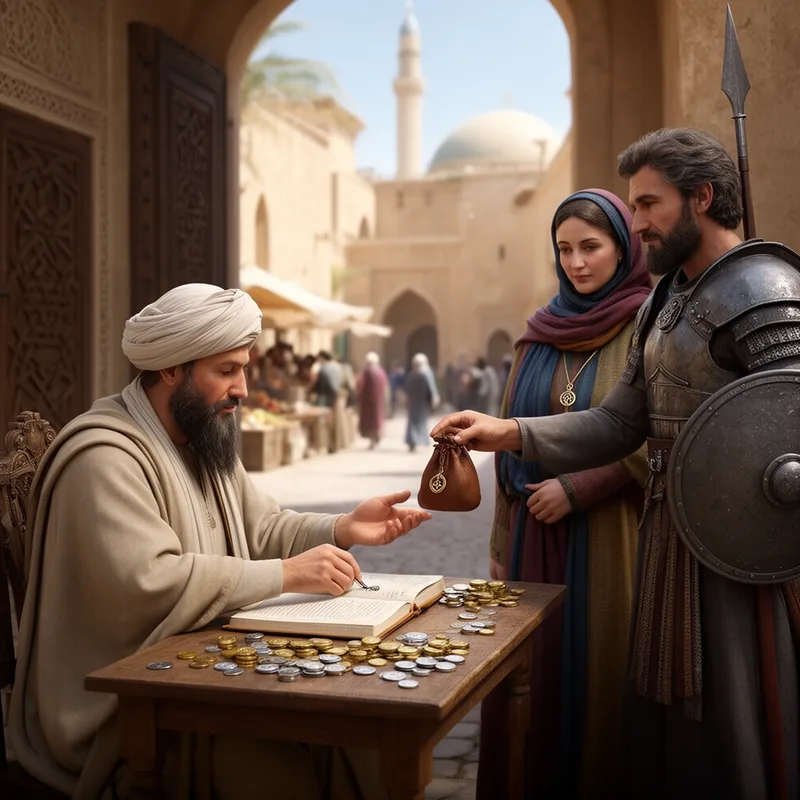
During the Muslim occupation of Jerusalem and what is called the Holy Land, Jews and Christians were allowed to live there as second-class citizens as long as they paid the non-Muslim poll tax or Jizyah.
Blog text (10) -
With that money, however, they were saved from their natural poverty, the poverty that, with Infidel Jizyah removed, is the natural state of Muslim countries.
Blog text (3) -
Without special taxes, the Islamic system requires a jizyah, which can be seen as a tax.
Blog text (18) -
Become a dhimmi and pay the jizyah.
Blog text (21) -
(The "poor-due" mentioned here is the jizyah.)
Blog text (21) -
The order is to fight the People of the Book until they pay the jizyah (protection tax) with willing submission and feel themselves subdued.
Academic text (2007) -
Allah himself has commended the imposition of jizyah for their (infidels') humiliation and degradation.
Blog text (21) -
In historical Islamic states, non-Muslims had to pay the jizyah to live within their territory.
-
The jizyah was a tax imposed on non-Muslims for protection and exemption from military service.
-
Many communities negotiated the terms of their jizyah based on their size and resources.
Synonyms
 1
9.9
A tax that non-Muslims paid under Muslim rule
Surface Forms
Etymology
Jizyah comes from Arabic jizya, which means 'payment' or 'compensation', from the root j-z-y meaning 'to repay'. That is why jizyah refers to a tax non-Muslims paid in some Islamic states.