
iteroparity


 1
9.9
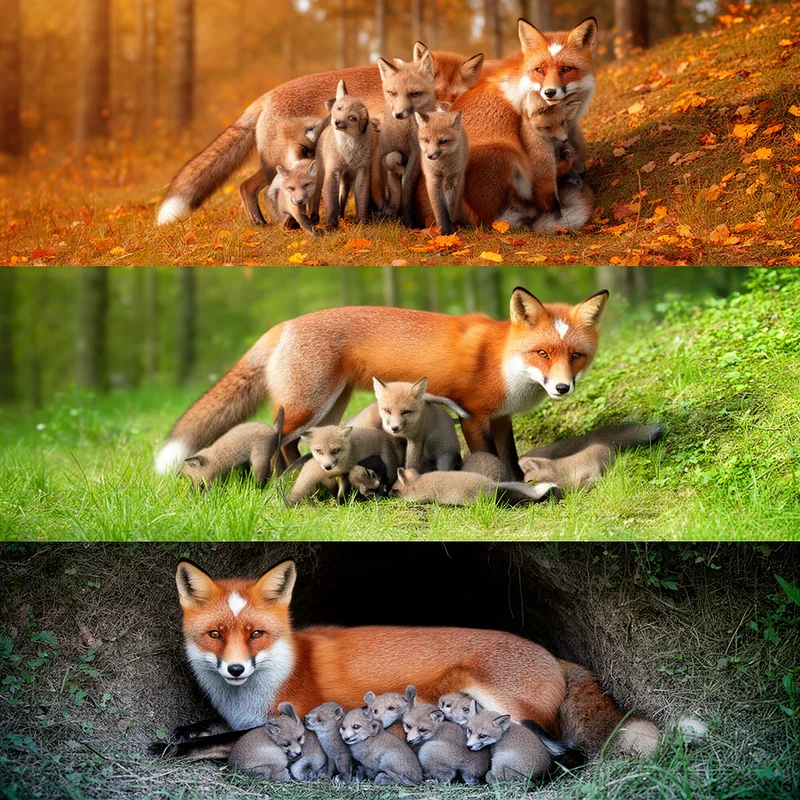
A characteristic of animals or plants that reproduce more than once in their life
- noun
- /ˌɪtəˈrɒpəˌrɪti/
- Specialized
:
iteroparidad
- Delayed maturation and iteroparity confer the potential for cumulative effects to be expressed prior to reproduction, and large parental investments in yolk and milk may threaten offspring because of exposure during critical developmental periods.
Examples
-
Salmon exhibit iteroparity, returning to spawn multiple times throughout their lives.
-
The iteroparity of some turtle species allows them to lay eggs in different seasons.
-
Many plants demonstrate iteroparity, producing flowers and seeds in multiple growth cycles.
Synonyms

8.4
A woman who has given birth two or more times
describes ability to reproduce multiple times across an organism's lifetime
How Often
iteroparity
1
9.9
- Specialized
1
9.9

semelparous
1
9.9
- Specialized
1
9.9
Surface Forms
iteroparity singular
iteroparities plural
Morphology
Etymology
Iteroparity comes from Latin parts itero meaning 'again' and parity meaning 'to give birth', as in the word parent. So iteroparity literally means 'to give birth again', which explains why it describes animals that can reproduce many times during their life.