
isovaleric


 1
9.9
- adjective
- /ˌaɪsoʊˈvælərɪk/
- Specialized
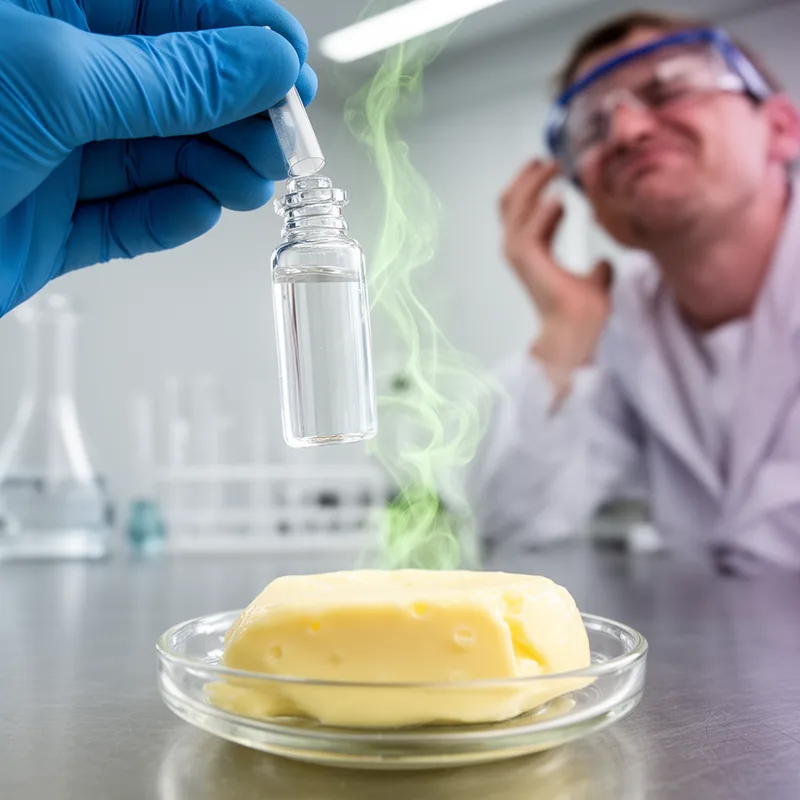
- The strong, cheesy smell was caused by isovaleric acid produced by bacteria.
Examples
-
Doctors tested for isovaleric acid levels in the patient's blood sample.
-
The isovaleric acid produced a strong odor.
-
The laboratory detected an isovaleric compound in the chemical analysis.
-
Is isovaleric acid used in any food products?
-
The laboratory detected an isovaleric compound during the experiment to identify various acids.
-
Doctors found elevated levels of isovaleric acid in the patient's blood, indicating a metabolic issue.
-
The unpleasant smell in the cheese was attributed to the presence of isovaleric acid formed during fermentation.
Surface Forms
Morphology
isovaleric = valeric (opaque) = iso + valer + ic
The formation is a technical chemical prefixation (iso- + valeric); this naming is specialized and not helpful for general learners to infer the specific chemical meaning.
Etymology
Isovaleric comes from iso- meaning 'same' and valeric from the plant valerian, which gave its name to valeric acid because of a strong smell. So, isovaleric describes a chemical that is a 'same' or very similar form of valeric acid, which is why the word names that specific compound.