
isogloss


 1
9.9
1
9.9
- noun
- /ˈaɪzəˌɡlɔs/
- Specialized
- On the isoglosses between different Saami varieties, Korhonen stressed that there is not one more important Saami isogloss that actually coincides with any administrative border.
Examples
-
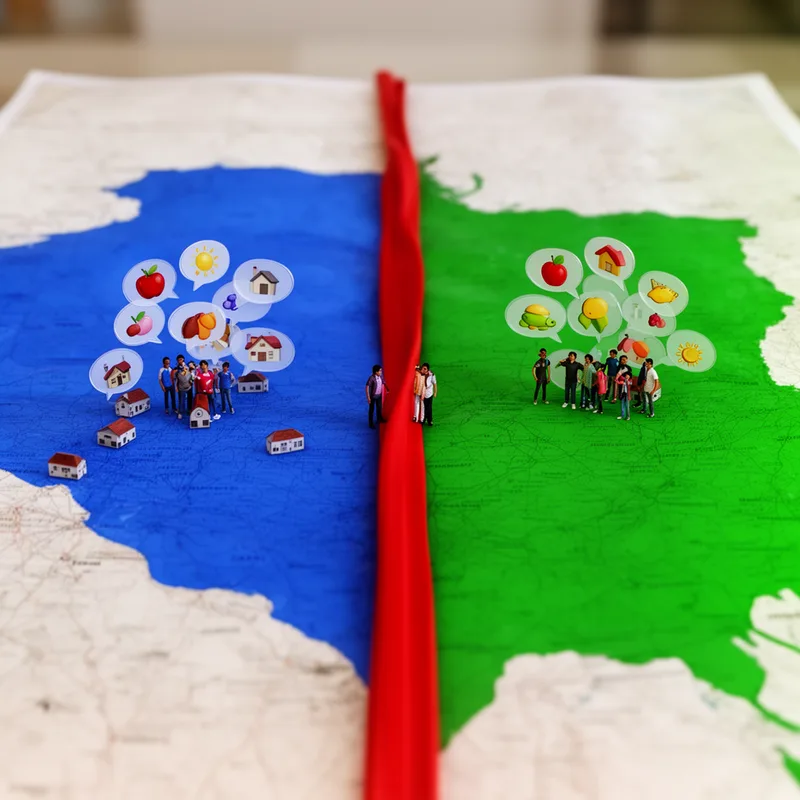
An isogloss can be shown on a map to illustrate the boundary between regions that use different dialects.
-
When place names indicate a linguistic border, an isogloss, you may go looking for geographic proof in nature, for instance, mounds of stones, often built in pyramid shape to show that they were made by a human.
Blog text (18) -
On the isoglosses between different Saami varieties, Korhonen stressed that there is not one more important Saami isogloss that actually coincides with any administrative border.
Blog text (18) -
Linguists often study an isogloss to understand how language varies across geographical areas.
-
During the research, we discovered an isogloss that separated two communities with distinct vocabulary.
Synonyms

A line on a map that shows where people pronounce sounds differently

An area where a specific word is used
Surface Forms
Morphology
Etymology
Isogloss comes from iso- meaning 'same' and gloss from glossa meaning 'tongue' or 'language', like the glossary. So an isogloss is a line on a map that shows where the same language feature stops and a different one starts.