
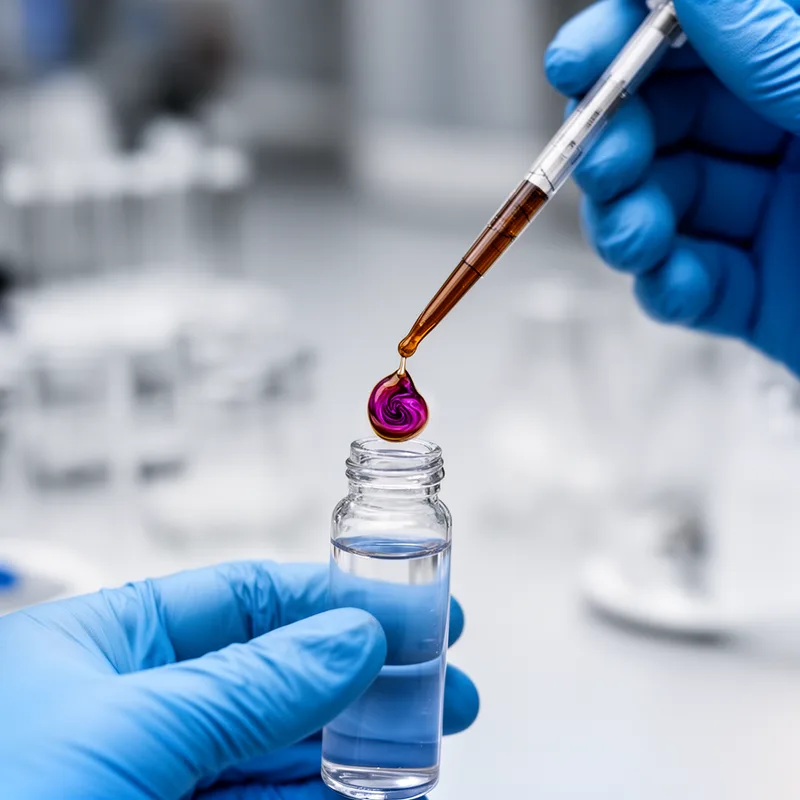
to iodinate
- verb
- /ˈaɪəˌdeɪt/
- Specialized
Examples
-
The use of iodinated radiographic contrast material would have been impractical because of its high viscosity, the osmolarity of most of the agents, and the potential for a severe allergic reaction.
Academic text (1999) -
Fifty-two patients who had received hydroxyethylstarch or iodinated contrast media before brain death were excluded. Sixty-nine other brain-dead patients were prospectively included over 18 months and randomized into two groups.
Academic text (1996) -
The technician will iodinate the samples to detect the presence of certain compounds.
-
In the lab, we need to iodinate the solution before conducting the experiment.
-
Researchers decided to iodinate the compounds to improve their properties for analysis.
Synonyms

 1
7.3
1
7.3

To add iodine to something to prevent infection or strengthen food
Antonyms
How Iodinated
- Specialized

- Specialized
Surface Forms
Morphology
Etymology
The word iodinate comes from iodine, the chemical whose name came from a Greek word meaning 'violet' because its gas is violet, and the ending -ate, which is used in words like carbonate and nitrate to mean 'to make or add'. So, to iodinate is to 'add iodine to' a compound.