

intestinal bypass
- noun
- /ɪnˈtɛstɪnəl ˈbaɪpæs/
- Specialized
- The surgeon recommended an intestinal bypass to help manage the patient's obesity.
Examples
-
After the intestinal bypass, she felt much healthier.
-
The intestinal bypass was successful.
-
After undergoing an intestinal bypass, she noticed significant weight loss within a few months.
-
Complications from an intestinal bypass can include nutritional deficiencies and digestive issues.
-
The doctor explained that an intestinal bypass could help the patient lose weight by limiting nutrient absorption.
-
After undergoing an intestinal bypass, she noticed significant changes in her appetite and energy levels.
-
Many people consider an intestinal bypass as a last resort for weight loss when other methods have failed.
Synonyms
 75
6.0
75
6.0

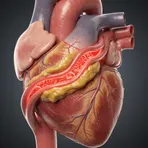
Surgically made passage that sends blood around a blocked artery
How Invasive

Surface Forms
Morphology
The phrase is directly compositional: 'intestinal' specifies the body part (intestines) and 'bypass' denotes creating an alternative route or surgical passage. A B1 learner who knows both words can reasonably infer this refers to surgically bypassing part of the intestine, since the meaning follows standard medical naming patterns and is cross-linguistically transparent.
Etymology
The term intestinal bypass comes from the literal idea of making food go around part of the intestinal system — a bypass — so the body takes in fewer nutrients. That's why the phrase means 'a surgery to reduce nutrient absorption and help people lose weight'.