

inferior vocal cord
- noun
- /ɪnˈfɪriər ˈvoʊkəl kɔrd/
- Specialized
- The inferior vocal cord plays a crucial role in speech and singing.
Examples
-
Damage to the inferior vocal cord can affect a person's voice quality.
-
During the operation, the surgeon carefully avoided the inferior vocal cord.
-
The inferior vocal cord plays a crucial role in sound production.
-
During surgery, the doctor carefully examined the inferior vocal cords.
-
Damage to the inferior vocal cord can affect a person's voice quality.
-
The inferior vocal cord plays a crucial role in speech and singing.
-
During the operation, the surgeon carefully avoided the inferior vocal cord.
Synonyms

 35
3.5
35
3.5

A fold in the throat that vibrates to make your voice


 1
5.6
1
5.6
A thin piece of tissue in the throat that vibrates to make the voice
 1
6.3
1
6.3
A thin piece of tissue in the throat that vibrates to make sound
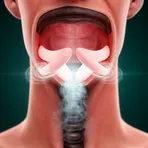
Lower band of tissue in the throat that makes sound when air passes between the two bands

Thin bands of tissue in the voice box that vibrate to make voice when air passes between them

A fold of soft tissue in the voice box that makes sound when air passes through
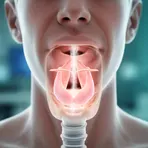
Thin folds of tissue in the throat that make sound when you speak
Surface Forms
Morphology
The phrase is compositionally transparent: 'inferior' = lower, 'vocal' = relating to voice, and 'cord' (in anatomical contexts) refers to a cord-like fold, so a B1 learner who knows the constituents can infer it denotes the lower voice-producing fold. Anatomical naming is cross-linguistically regular (e.g. 'lower vocal cord' equivalents), so the meaning is predictable from the parts.
Etymology
Inferior vocal cord: The noun inferior vocal cord names the lower of two thin cords in the voice box. Inferior means lower, vocal means for the voice, and cord is like a small string that meets the other cord when air passes to 'make sound', so the phrase means the lower of the two parts that help 'produce voice'.