
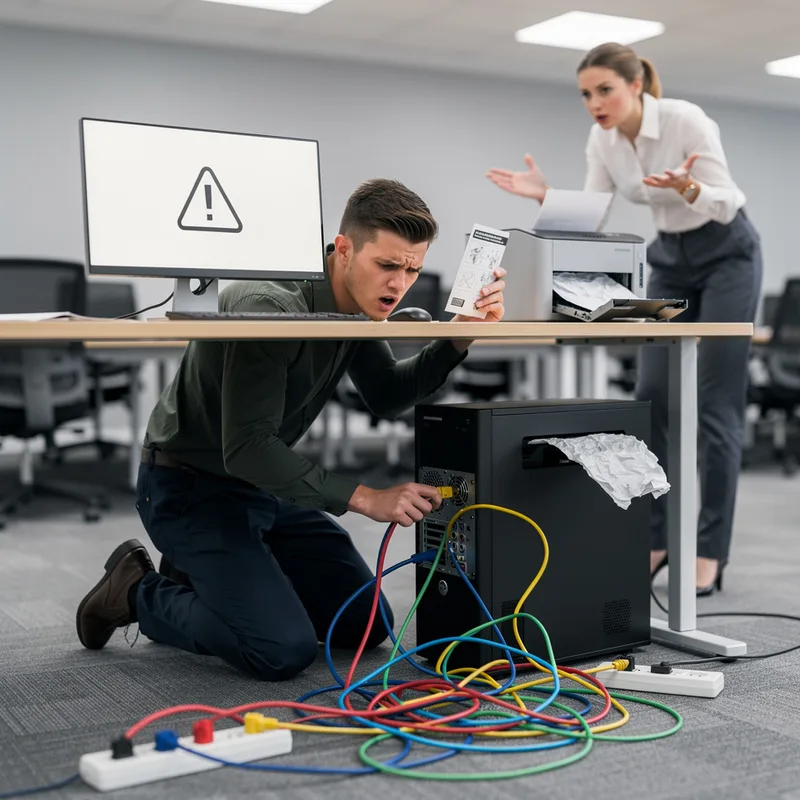
ineptness
 3
6.4
3
6.4

- noun
- /ɪˈnɛptnəs/
- Her ineptness with technology made it hard for her to complete the assignment.
Loading YouTube…
Watch on YouTubeAnd part of the inside straight he pulled was the ineptness of the opposition.
- And part of the inside straight he pulled was the ineptness of the opposition.
Examples
-
I do actually agree with you on American ineptness in civil administration in foreign countries.
Blog text (31) -
One reason for this lack of integration appears to be due to the ineptness of instructors in the area of technology integration into the classroom.
Academic text (2013) -
And part of the inside straight he pulled was the ineptness of the opposition.
-
His shooting, especially in big moments, and ineptness at shot creation were always his biggest challenges.
Blog text (13) -
The defense was on the field the whole half because of the ineptness of the offense.
Blog text (18) -
I have yet to hear AS use his early years of injury and coaching ineptness as an excuse.
Blog text (22) -
Judicial ineptness is a universal curse.
-
No Green Giant, the only thing that Bush has demonstrated is his complete ineptness as a leader.
Blog text (5) -
The response or the lack thereof was all just to cover up Obama's ineptness when it comes to foreign affairs.
Blog text (28) -
And, because of their mismanagement, ineptness, and downright stupidity, they rode it into the ground.
Blog text (13)
Synonyms
 177
2.8
177
2.8
Not able to do something you need to do
 92
4.4
92
4.4
Failing to do a job well because of lack of skill
 18
7.4
18
7.4
A lack of skill that makes someone do tasks badly
 3
6.8
3
6.8
Lack of ability to do a job or task well
 1
2.6
1
2.6
Lack of skill or care when handling things so mistakes happen
 1
3.6
1
3.6
Lack of skill or grace when moving, often causing trips

A state of not being good at doing something

A lack of ability to do something well

A lack of skill that makes a person act clumsily

Not enough skill to do something well

Lack of ability to do a task or job well

Not able or qualified to do a job
A lack of ability to do something

A lack of natural skill in an activity
Antonyms


How Skilled

Surface Forms
Morphology
Etymology
Ineptness comes from in- 'not' and apt 'fit', the same root as the short word apt. So, ineptness is 'not fit' for a task, which explains its modern meaning of lack of skill or ability.