
indole
 1
9.9

- noun
- /ˈɪnˌdoʊl/
- Specialized
- IT'S CALLED INDOLE-3-BUTYRIC ACID.
- indole test
Examples
-
Keywords: Enzyme inhibitors; Idiopathic pulmonary fibrosis; Indoles; Protein kinase inhibitors.
Academic text (2014) -
The colorless colonies were then tested with the spot indole test.
Academic text (2002) -
Radishes offer cancer-fighting indoles; red tomatoes are the ultimate in lycopene, linked to a lower risk of heart disease and cancer.
Blog text (16) -
It is interesting that all 8 substances are characterized by boiling points higher than 254°C (the lowest being indole).
Academic text (2016) -
Further modification led to the inclusion of heterocyclic groups in place of the indoles, culminating in the development of multiple nitrogen and oxygen-containing heterocyclic analogs, all of which were covered in a 2000 patent.
Blog text (19) -
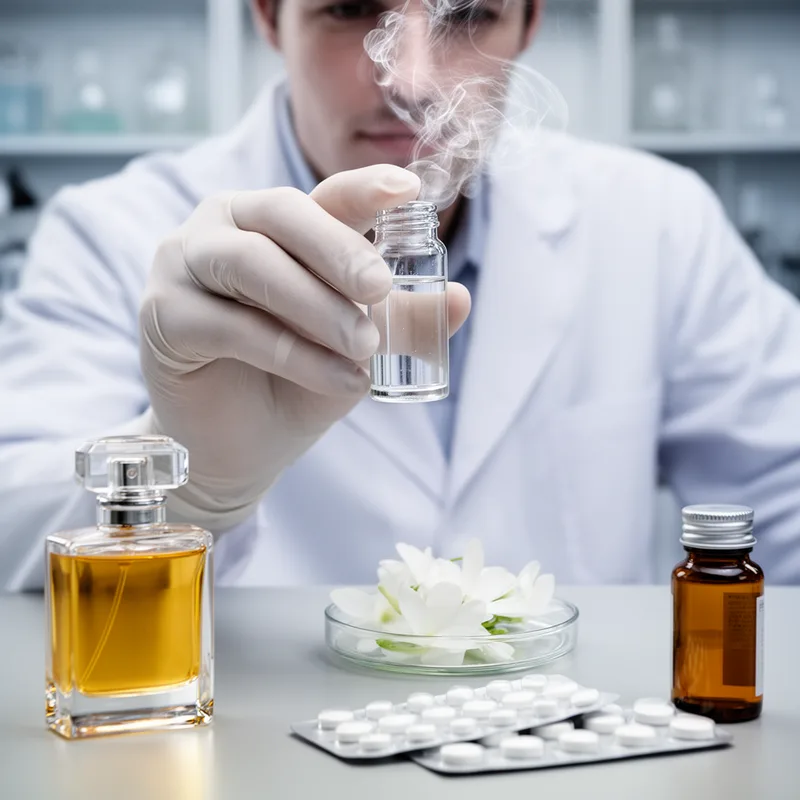
The distinct smell of indole can often be detected in the aroma of certain flowers and perfumes.
-
Chemists use indole as a fundamental building block in the synthesis of numerous pharmaceuticals.
-
Indole is an important component in the fragrance of jasmine, adding a rich, floral note.
Surface Forms
Etymology
The word indole comes from the dye indigo ('blue dye') because chemists first made it when they worked on indigo, plus the ending -ole (like 'oil') that appears in many chemical names. So, indole can be remembered as an indigo-related, oily organic substance, which fits its modern use as a small, often strongly scented chemical in perfumes and laboratory work.