
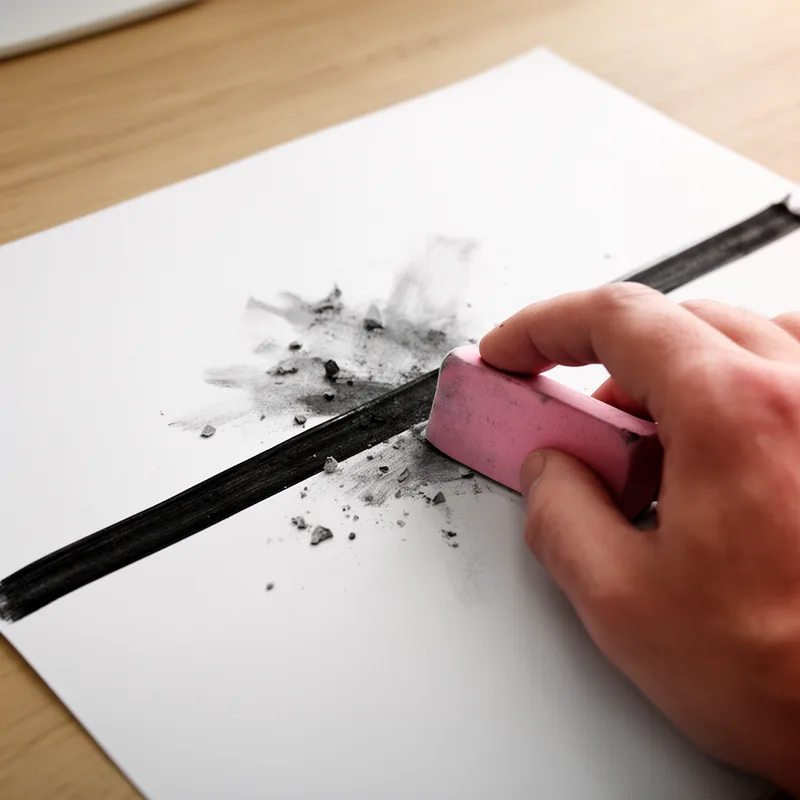
indelibility
- noun
- /ˌɪndəˈlɪbɪlɪti/
- The indelibility of religious identity has fueled many conflicts, which threaten the stability prescribed by the modern nation-state.
- such indelibility
Examples
-
Certainly, Capote encouraged this allure, but the indelibility of disgust is such that his fellow authors could not separate the author from his stories.
Academic text (2016) -
Such indelibility had been the goal of ink makers for centuries.
Academic text (2007) -
Dove, in fact, ends Mother Love with this paradox, bringing together both the indelibility of influence and the blocked bridge between familial and poetic generations:
Fiction book (1996) -
Always, with the terrible indelibility that one associates with terror, the girl was to remember the touch of that hand on her shoulder: heavy, kneading at her flesh, the woman herself stricken almost dumb, but her eyes eloquent with that angered fire.
Fiction book (2000) -
The indelibility of memories from childhood often shapes a person's identity.
-
In art, the indelibility of certain colors can make a painting more vibrant and lasting.
-
Tattoo ink is designed for indelibility, making it nearly impossible to remove once applied.
Synonyms

A mark, memory or feeling that cannot be removed and forgotten
How Permanent


Surface Forms
Morphology
indelibility = indelible (semi-transparent) = in + del + ible + ity
The step from 'indelible' to 'indelibility' is standard adjective-to-noun formation meaning the quality or state of being indelible.
Etymology
The word indelibility comes from the prefix in- meaning 'not' and the root delere meaning 'to wipe away', the same root as the common word delete. So indelibility is the state of being impossible to remove or erase, like a permanent mark or a memory that stays.