
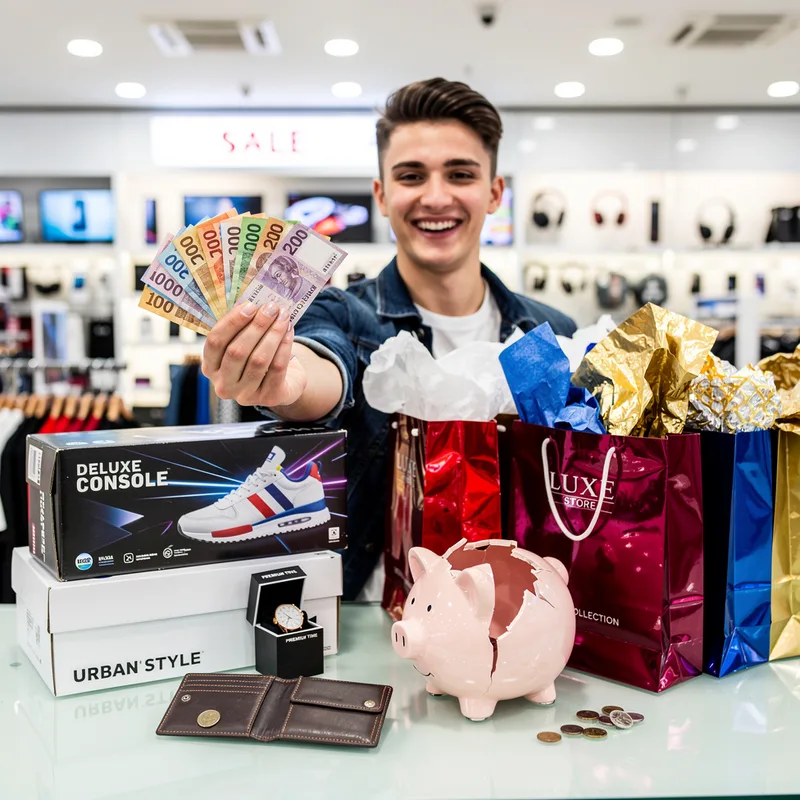
improvident
 1
9.1
1
9.1

- adjective
- /ɪmˈprɒvɪdənt/
- Formal
- His improvident spending left him with no savings for the future.
Examples
-
"The nation that does not save, like the improvident worker, loses a measure of its independence, and therefore of its liberty—a point not without relevance at the end of the twentieth century.
Academic text (1993) -
The improvident use of resources today will burden future generations.
-
But such a conclusion would be improvident.
Academic text (2018) -
Mr. Dunbar, Father, since we have another day it would be most improvident not to use it.
-
I simply do not want improvident fools to die from starvation or easily curable diseases.
Blog text (26) -
Ms. Cruz has appeared before the town council on numerous occasions to speak about Memphis and Lore's improvident handling of the entire situation.
Blog text (17) -
Improvident habits, slovenly systems of agriculture, sluggish methods of commerce, and insecurity of property exist wherever the followers of the Prophet rule or live.
Academic text (2015) -
Society deemed adequate the minimal care furnished in the almshouse for the "unworthy"—the improvident who failed to provide for themselves.
Academic text (1992) -
Many improvident choices can lead to serious financial difficulties.
Synonyms
 18
4.2
18
4.2
Making decisions without thinking about the future
 17
5.2
17
5.2
Not thinking about the future or the later results of actions
 9
7.6
9
7.6
Acting without care or good sense
 4
6.8
4
6.8
Not carefully planned or thought about before doing it


 1
7.2
1
7.2
Unable to see or plan for the future
 1
6.3
1
6.3
An action or decision made without careful thought that causes problems

Not planning ahead or thinking about the future

Not planning for problems that will happen in the future
Antonyms


How Provident

Surface Forms
Morphology
Etymology
Improvident breaks into im- meaning 'not' and provident, from a part that means 'to see ahead', the same idea you see in provide and 'vision'. So an improvident person does not plan or save for the future.