

imperial mammoth
- noun
- /ɪmˈpɪr.i.əl ˈmæm.əθ/
- Specialized
- Scientists believe the imperial mammoth was one of the largest species of mammoths ever discovered.
Examples
-
Fossils of the imperial mammoth have been uncovered in several parts of California.
-
The imperial mammoth roamed the plains of North America during the Ice Age.
-
The imperial mammoth roamed the plains of North America.
-
Did the imperial mammoth have long tusks?
-
The imperial mammoth was one of the largest mammals to roam North America during the last Ice Age.
-
Scientists have discovered fossils of the imperial mammoth in various locations throughout the Pleistocene strata.
-
An exhibit featuring the imperial mammoth provides insight into the prehistoric ecosystems that once existed.
Synonyms
 47
5.5
47
5.5

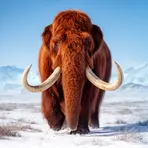
A very large, hairy elephant that lived long ago with curved tusks

A very large extinct animal with long tusks that lived in North America during the Ice Age
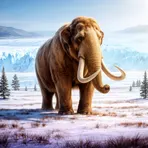
A very large elephant-like animal that lived in North America during the Ice Age and is now extinct
Surface Forms
Morphology
The phrase 'imperial mammoth' is directly compositional: 'mammoth' names the prehistoric elephant and 'imperial' simply modifies it (pertaining to an empire or suggesting grandeur), so a learner who knows both words will infer it denotes a kind of mammoth. This follows ordinary adjective+noun semantics and is not idiomatic or metaphorical, making it immediately understandable to B1 learners.
Etymology
The name imperial mammoth comes from the words imperial and mammoth. Imperial suggests an emperor, big and powerful, and mammoth is the name for a very large, extinct elephant, so the name gives a clear picture of a 'very large' royal elephant that lived in North America during the Ice Age.