to immix

to immix

9.9
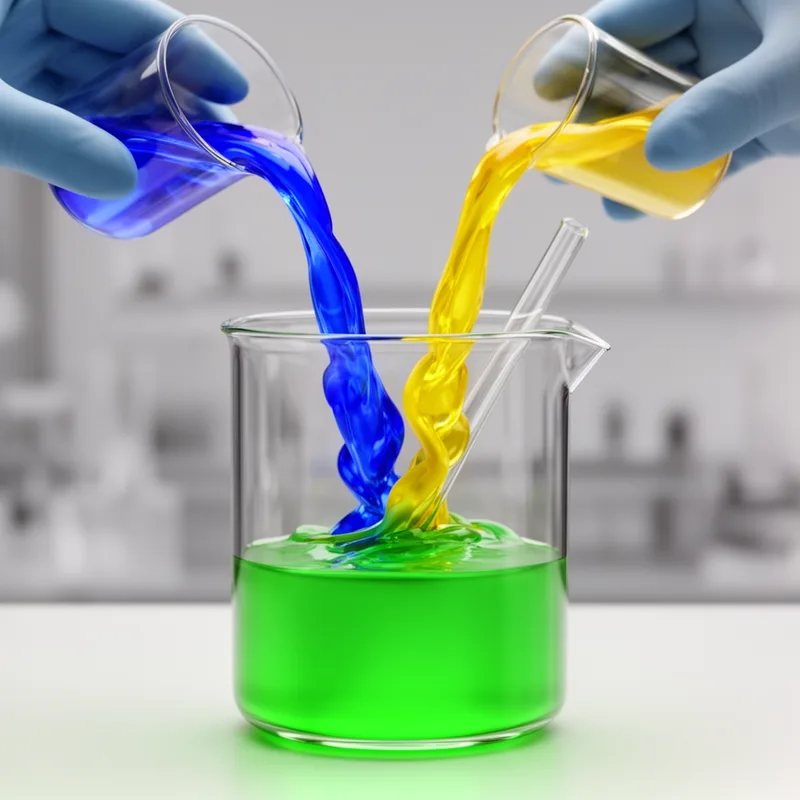
To put different things together so they become one
  • verb
  • /ɪˈmɪks/
translation icon : mezclar
  • Some artists prefer to immix their own paints to achieve unique colors.

Examples

  • You should not immix these two chemicals without proper equipment.

  • He warned not to immix personal feelings with professional decisions.

  • You can immix these colors to create a new shade.

  • The artist immixed various paints for her masterpiece.

  • Some artists prefer to immix their own paints to achieve unique colors.

  • You can immix different spices to create exciting flavors in your dishes.

  • In cooking, it is common to immix ingredients to enhance the dish's overall taste.

Synonyms
to combine
vsto immix
638 2.7

To mix two or more things into one

is the similar action but with general emphasis on mixing elements
to mix
vsto immix
416 1.0

To combine two or more things so they become one

is the same idea of joining different elements into one
to blend
vsto immix
255 2.3

To mix things so they become one or look good together

is the general action of joining elements without stressing harmony
to merge
vsto immix
192 3.2

To join two or more things so they become one
is the general action of putting elements together rather than formal uniting
to fuse
vsto immix
44 3.9

To join different things to make one thing
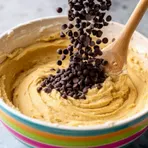
describes general joining without implying a particularly strong union
to mix in
vsto immix
39 1.8

To add something to food and stir so it becomes part of the food

covers joining elements but not specifically the act of adding while stirring
to mingle
vsto immix
34 3.3

Mix together so things join and are hard to tell apart
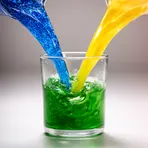
is the same joining idea but stated more neutrally
to conflate
vsto immix
  • Formal
33 7.5

To mix more than one idea or fact so their differences become unclear

is the neutral action of putting elements together without causing blur
to meld
vsto immix
18 5.3

To mix things so they become one
is the broader action of joining parts without implying total unity
to coalesce
vsto immix
15 7.4

Come together to form one group or whole
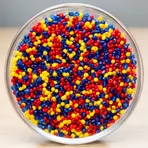
focuses on the act of joining parts rather than the coming together result
to intermingle
vsto immix
6 5.2

Mix together so the parts are hard to tell apart

is the common joining action without stressing loss of distinct parts
to commingle
vsto immix
5 7.4

To mix different things into one

describes the same putting together but without stressing group form
to compound
vsto immix
4 4.0

To mix two or more things to make one thing

is the act of joining parts, not necessarily implying a new whole
to interweave
vsto immix
4 6.3

To mix different things closely together, like threads or melodies
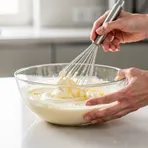
is broader joining that does not require an interlaced method
to blend in
vsto immix
3 3.3

Mix one ingredient into others until the mixture is smooth

describes the general joining of elements rather than the even spreading
to intermix
vsto immix
2 5.6

Combine different things so they become one or hard to separate
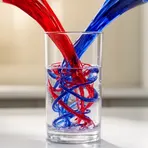
expresses the general joining of elements without focus on separability
to interpenetrate
vsto immix
1 8.2

To mix by passing parts through each other
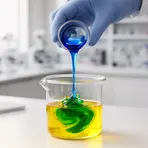
describes general joining rather than the physical passing through each part
to admix
vsto immix
1 8.8

To mix one substance with another so they become combined

focuses on bringing elements together rather than the act of adding
to interfuse
vsto immix
1 7.7

Mix things together so their parts spread through each other

describes the joining of elements without focusing on deep permeation
to commix
vsto immix
8.9

To mix different things together into one

is the general action of joining parts or substances together

Antonyms

297 1.9

To break into parts or pieces

How Mixed

to homogenize
  • Specialized
12 6.1
to emulsify
  • Specialized
2 6.4
to immix
9.9
to mix
416 1.0
to combine
638 2.7

Surface Forms

immix infinitive
immixed past
immixed past participle
immixing present participle
immixes third person singular

Morphology

immix = mix (transparent) = im + mix

The verb is formed by the productive English prefix im- (in-) added to the familiar verb 'mix', so the meaning 'to mix in/blend' is directly inferable.

Etymology

The word immix comes from Latin parts in- 'into' and miscere 'to mix', and it shares the same root as the English word mix. So to immix something is to put one thing 'into' another or to blend them together.