

imagination
 717
2.8
717
2.8

- noun
- /ɪˌmædʒɪˈneɪʃən/
- I'd rather live in my client's world, where endless possibilities still exist and where the imagination is celebrated.
- capture the imagination
- stimulate the imagination
- creative imagination
Loading YouTube…
Watch on YouTubeWe're thinking through our imagination, not a pure intellect.
- We're thinking through our imagination, not a pure intellect.
- And so it's where imagination, you know, really can flourish.
- Where's the place that your imagination can flourish most?
- Nobody else can see your imagination but you.
- It shuts imaginations down rather than opening them up.
- I mean, it's not my imagination at work.
- And I'll leave the rest to your imagination.
- Yes, you are in fact a figment of my imagination.
- Doesn't mean doesn't mean that it's mere imagination.
Examples
-
That strong imagination of yours is what's made you so successful.
-
I give you this long list to prove that only your interests and imagination limit you.
Academic text (2011) -
But often it's our imagination that makes it so.
-
Sorry, maybe it's a failure of imagination on my part.
-
Our creative imagination is what sets us apart.
-
Nobody else can see your imagination but you.
-
We need to develop personal qualities such as imagination and creativity for ourselves and our clients.
Academic text (2011) -
The possibilities for the uses of this technology should inspire the imagination to think big.
Academic text (2011) -
Children can be wonderful when it comes to using their own imaginations to help themselves.
Fiction book (1990) -
Children often use their imagination to create fantastic stories during playtime.
Synonyms
 848
3.8
848
3.8
A clear image in the mind of something not present
 213
3.4
213
3.4
The ability to use imagination to make new ideas or things
 23
5.6
23
5.6
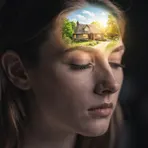
The ability to imagine pictures and scenes in your head
 15
4.9
15
4.9
The ability to make pictures in your mind
 5
3.7
5
3.7
Thinking in new ways to make things or solve problems
 1
3.3
1
3.3
Ability to think of new ideas and make new things

 1
4.2
1
4.2
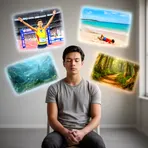
Ability to make pictures in your mind of things that are not there

Ability to think of new and creative ideas
Antonyms
Idioms
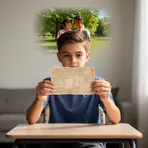
Not showing all details so people can think about the missing parts


Compounds

How Vivid
140
7.5
 848
3.8
7
3.8
717
2.8
∞
1.4
848
3.8
7
3.8
717
2.8
∞
1.4
Surface Forms
Morphology
Etymology
The word imagination comes from the Latin imago, which means 'image' or 'picture', and it is the same root as the English word image. So, imagination is like making pictures or new ideas in your mind when they are not around, which is why it means the ability to form ideas or images inside your head.