
imaginal
 1
9.1

- adjective
- /ɪˈmædʒɪnəl/
- Specialized
- Verbal representations, such as summary sentences, enhance learning through a familiar information processing mode, whereas imaginal representations, such as diagrams and stick figures, are useful as mnemonic devices.
- produce imaginal focus
Examples
-
The kind of imaginal process facilitates identifying an anticipated audience and helps intuitive researchers to focus a research question, from the outset, ask congruent questions, and stay on track.
Academic text (2000) -
The researcher focused on how imaginal discs develop into various structures during the metamorphosis of insects.
-
I want you to write an account of your memories, so we can get you started with some imaginal exposure.
-
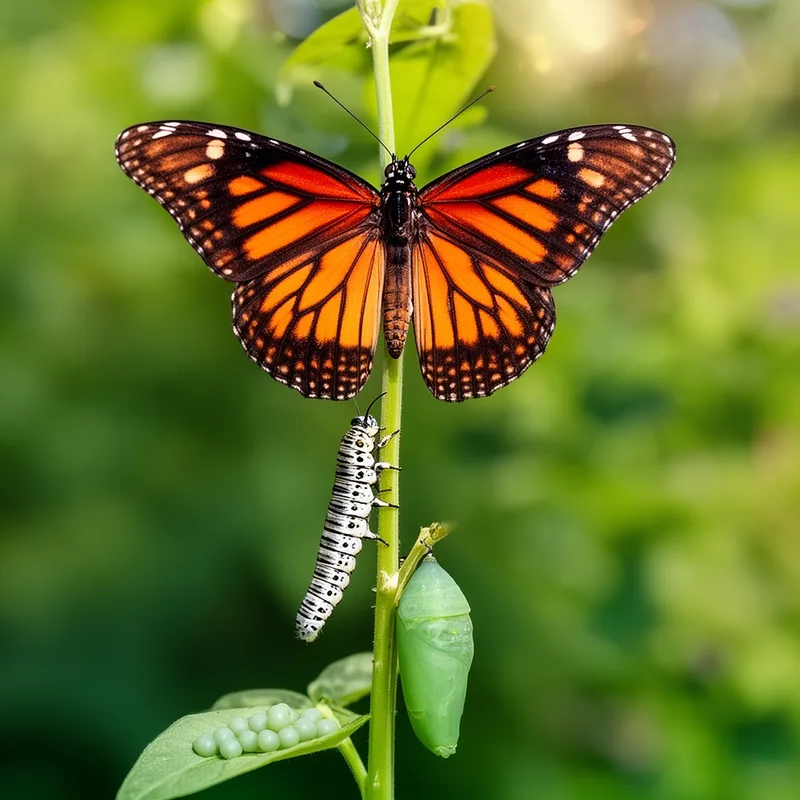
And so within the what happens in the chrysalis is the imaginal disk start to take form.
-
Soon the muscles, fat and other tissues are almost entirely liquefied, though the imaginal discs stay intact and begin to grow.
-
The current interest in ritual, myth, and multicultural use of symbolic healing is an additional reason to look more deeply into the nature of the imaginal system.
Academic text (1994) -
Because it requires students to use two different types of information processing, the integrated use of verbal and imaginal strategies has the potential to result in greater learning and retention of economic concepts than the use of verbal-only or imagery-only strategies.
Academic text (1993) -
In this view, the imaginal intuition is not a subjective distortion but is rather the human fulfillment of that reality's essential wholeness, which had been rent asunder by the dualistic perception.
Academic text (1990) -
In the adult stage of its life cycle, the butterfly's imaginal forms are evident in its vibrant wings.
-
Children often engage in imaginal play, creating scenarios and characters from their vivid imaginations.
Surface Forms
Morphology
Etymology
Imaginal comes from the Latin root imago, meaning 'image' or 'picture', and it shares this root with the English word image. So an imaginal insect is in its adult, full 'image' or form after it changes into an adult, and imaginal can also describe things that belong to the pictures we make in our mind, our imagination.