

hypoplasia
 1
9.9
1
9.9

- noun
- /ˌhaɪpoʊˈpleɪziə/
- Specialized
- The doctor explained that hypoplasia can lead to underdeveloped organs, affecting overall health.
Examples
-
A subsequent study suggested that reduced forced expiratory flow in infants exposed to tobacco smoke in utero might result from a combination of relative pulmonary hypoplasia and peripheral airway obstruction.
Academic text (1999) -
Rigid nasal endoscopy and computed tomography revealed hypoplasia of the ipsilateral inferior turbinate.
Academic text (2008) -
We also observed hypoplasia of the right inferior turbinate that corresponded with the location of the foreign body.
Academic text (2008) -
The hypoplasia was probably caused by both the longstanding presence of the foreign body and the object's size, which caused compression of the endonasal structures.
Academic text (2008) -
In addition, there is thickening of the ligaments and muscular hypoplasia.
Academic text (2005) -
This results in a generalized hypoplasia of the limb, with shortening of the foot and a smaller calf size.
Academic text (2005) -
The most notable abnormalities include a hypoplasia of the tarsal bones, with reduced size and shortening of the talus.
Academic text (2005) -
After the object was removed, the endoscopic view of the right nasal cavity confirmed the hypoplasia of the ipsilateral inferior turbinate.
Academic text (2008) -
Another Chinese researcher, Zhang Yinyun, has reported a high incidence of hypoplasia—pitting in the tooth enamel that indicates periods of arrested development.
Academic text (1991) -
The main macroscopic findings included arthrogryposis, torticollis, scoliosis, brachygnathia inferior, hydranencephaly, and hypoplasia of the cerebrum, cerebellum, and spinal cord.
Academic text (2012)
Synonyms
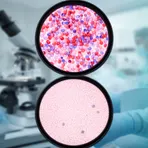
A lower than normal number of cells in a part of the body
Antonyms

- Specialized
2
9.8
An abnormal increase in the number of cells in a part of the body that makes it larger
How Developed

Surface Forms
Morphology
hypoplasia = hypo + plas + ia
The meaning is compositionally clear from hypo- 'under, deficient' plus the medical formation root plas and noun-forming -ia, but these are specialized medical elements rather than everyday English words.
Etymology
Hypoplasia comes from hypo- 'under' and -plasia 'formation' or 'growth', a root you also see in plastic 'formed'. So hypoplasia means a body part has 'under-formation' — it did not grow enough and has fewer cells than normal.