
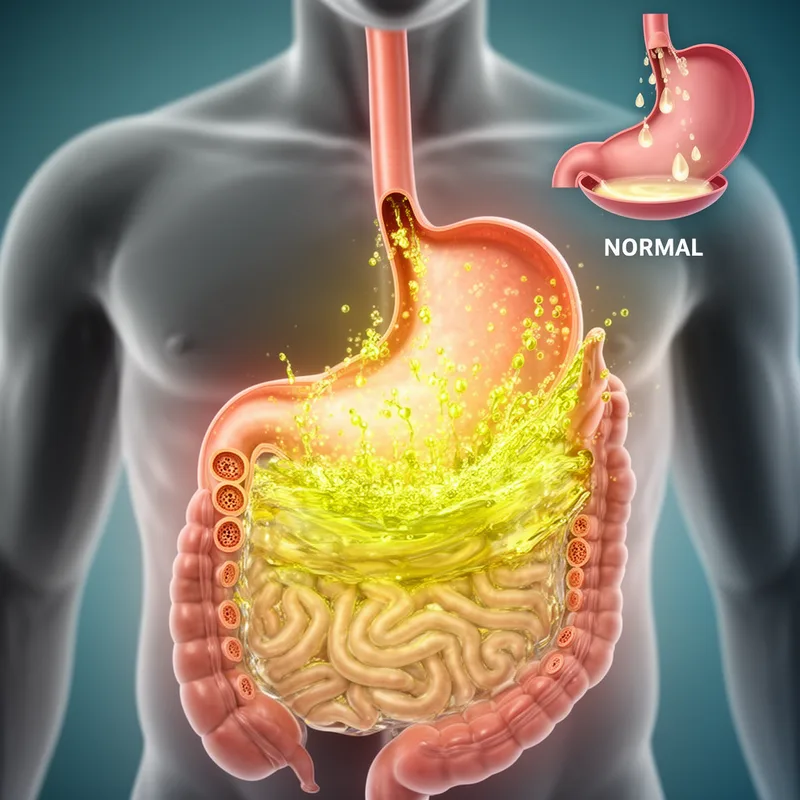
hypersecretion
- noun
- /ˌhaɪpərsɪˈkriːʃən/
- Specialized
- Excessive mucus hypersecretion can lead to breathing difficulties in patients with asthma.
Examples
-
Patients with asthma have increased bronchial smooth muscle tone and mucus hypersecretion, possibly the result of increased cholinergic activity.
Academic text (2017) -
Mucus hypersecretion may contribute to airflow limitation in asthma and COPD, and is a risk factor for accelerated loss of lung function and an increase in exacerbations.
Academic text (2017) -
Adrenergic hypersecretion was suspected, as there are many cases in the literature showing that catecholaminergic increase may cause left ventricular dysfunction, with normal coronaries, characterized by a quick resolution.
Academic text (2007) -
The doctor explained that hypersecretion of certain hormones can disrupt normal bodily functions.
-
Chronic sinusitis often results in mucus hypersecretion, which aggravates nasal congestion.
How Much Secretion
- Specialized

- Specialized
 17
4.8
17
4.8

Surface Forms
Morphology
Etymology
Hypersecretion comes from hyper- meaning 'too much' and secretion from secrete, meaning 'to produce and release'. So, hypersecretion is when a gland or organ makes 'too much' of a substance.